
















Starting a self-care routine sounds simple until you're three days in and already skipping your morning meditation for an extra ten minutes of scrolling. You're not alone. Most people abandon their self-care plans within the first week. Not because they don't want to feel better, but because they're setting themselves up to fail from the start.
Real self-care isn't about copying someone else's Instagram-worthy morning routine or forcing yourself through activities that feel like chores. It's about creating sustainable habits that actually fit your life and support your mental wellness over the long haul.
Why Most Self-Care Routines Fail Before They Start
The biggest mistake? Treating self-care like a productivity hack. People pile on too many new habits at once, set unrealistic expectations, and then beat themselves up when they inevitably fall short.
Self-care routines fail when they're:
- Too ambitious for your current lifestyle
- Based on what works for others rather than what works for you
- Focused on perfection instead of consistency
- Missing the deeper connection to your mental and emotional needs
The routines that stick are built on understanding yourself first, then gradually adding practices that genuinely serve your wellbeing.
Step 1: Assess Your Current Mental Health Landscape
Before adding new habits, take an honest look at where you're starting from. This isn't about judgment. It's about awareness.
Check in with yourself:
- What times of day do you feel most stressed or overwhelmed?
- When do you feel most like yourself?
- What activities currently drain your energy?
- What small things already make you feel better?
Write down your observations. You might notice patterns like feeling anxious every Sunday evening or finding peace during your commute when you listen to music. These insights become the foundation for a routine that actually addresses your specific needs.
Identify your non-negotiables. What aspects of your mental health need the most attention right now? Maybe it's managing work stress, dealing with social anxiety, or just creating more moments of calm in your day. Your self-care routine should directly support these areas.
Step 2: Start Ridiculously Small
Here's the thing about lasting habits. They rarely come from sheer willpower. They come from making it so easy to start that you'd feel silly not doing it.
Two minutes beats an hour-long routine you'll abandon by Thursday. A small daily action beats the elaborate weekend reset you keep postponing. Tiny things, done consistently, add up faster than you'd expect.
Examples of ridiculously small starts:
- Take three deep breaths before checking your phone in the morning
- Write down one thing you're grateful for while your coffee brews
- Put on clothes that make you feel good about yourself
- Step outside for 60 seconds during lunch
- Say one kind thing to yourself in the mirror
These micro-habits might seem insignificant, but they create momentum. Once those three deep breaths become second nature, stretching it to five minutes of breathing exercises feels like a natural next step. Not a chore.
Step 3: Build Around Your Existing Schedule
The most sustainable self-care routines don't require you to wake up earlier or carve out time you don't have. They slot into what you're already doing.
Habit stacking is your best friend here. Attach new self-care practices to things you already do without thinking.
- After I pour my morning coffee, I'll write in my gratitude journal
- Before I start my car, I'll set an intention for the day
- When I get home from work, I'll change into comfortable clothes mindfully
- After I brush my teeth at night, I'll do a quick body scan
Your existing routine becomes the anchor. New habits stop feeling like extra tasks and start feeling like a natural part of your day.
Step 4: Create Your Mental Health Toolkit
What helps you decompress on a slow Sunday afternoon probably won't cut it when you've got back-to-back meetings and a deadline looming. That's why having a range of go-to practices matters. Something quick for the chaotic days, something deeper when you actually have space, and something grounding for when things get really hard.
Your 2-minute toolkit:
- Box breathing (4 counts in, hold 4, out 4, hold 4)
- Progressive muscle relaxation starting with your shoulders
- Mindful hand washing
- Stepping outside and naming five things you can see
Your 10-minute toolkit:
- Journaling with specific prompts
- Gentle stretching or movement
- Calling someone who makes you laugh
- Taking a mindful shower
Your 30+ minute toolkit:
- Nature walks without distractions
- Creative activities that flow naturally
- Deep cleaning as meditation
- Preparing a nourishing meal
Having options prevents the all-or-nothing thinking that kills consistency. Some days you'll have two minutes, others you'll have thirty. And honestly, both count just as much.
Step 5: Make Self-Care Visible and Tangible
Out of sight, out of mind applies to self-care habits too. The easier it is to remember and access your routine, the more likely you'll stick with it.
Environmental cues that actually help:
- Keep your journal next to your coffee maker
- Set out comfortable clothes the night before
- Put your essential oils somewhere you'll actually see them
- Use phone reminders with encouraging messages
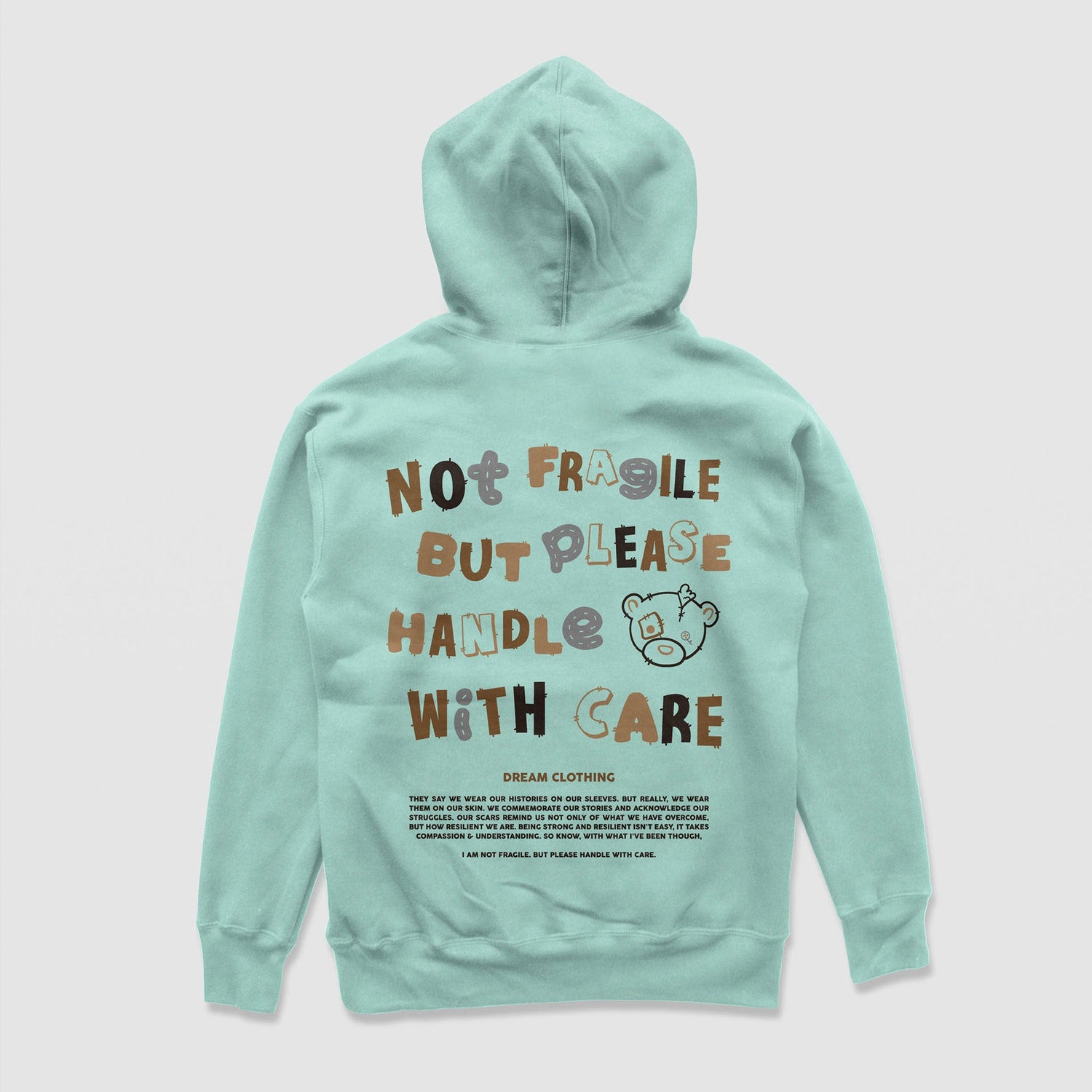
The clothing connection is worth taking seriously. What you wear shifts how you move through your day, and building that into your self-care routine is simpler than it sounds. Reaching for a hoodie with an affirming message on a hard day, or just choosing comfort over appearances when you need it most. Those small choices quietly reinforce the bigger commitment you're making to yourself.
Step 6: Track Progress Without Perfectionism
Keeping tabs on your self-care routine can be genuinely useful. You start noticing what's working, what isn't, and where you've come further than you realized. Just don't let the tracking become its own source of pressure.
Simple tracking methods:
- Mark an X on a calendar for days you did any self-care
- Rate your overall mood from 1-10 each evening
- Note which practices felt most helpful
- Track how you feel before and after self-care activities
The goal isn't a perfect streak. It's awareness and gradual improvement. If you miss a few days, that's data, not failure. What got in the way? How can you adjust your routine to work better with your real life?
Step 7: Adjust and Evolve
Your self-care needs will change as your life changes. A routine that works during a calm period might not serve you during a stressful time, and that's completely normal.
Regular check-ins keep your routine relevant:
- Monthly: What's working well? What feels forced?
- Seasonally: How do changing circumstances affect your needs?
- During transitions: What support do you need right now?
Be willing to experiment. Maybe morning routines don't work for you, but evening wind-downs do. Maybe you thought you needed meditation, but you actually need more movement. Your routine should serve you, not the other way around.
Common Pitfalls and How to Avoid Them
The comparison trap: Stop measuring your routine against what works for others. Social media self-care looks polished and perfect, but real self-care is often messy and mundane.
The productivity mindset: Self-care isn't about optimizing yourself or achieving specific outcomes. Sometimes the most caring thing you can do is rest without guilt.
The guilt spiral: You'll miss days. You'll go through periods where self-care feels impossible. This doesn't mean you've failed. It means you're human.
The all-or-nothing approach: Five minutes of self-care is infinitely better than zero minutes. Partial credit counts.
Building a Self-Care Community
Self-care doesn't have to be a solo journey. When you have people around you who get it. Or are even trying to figure it out alongside you. Showing up for yourself gets a whole lot easier.
Ways to build community around your wellness:
- Share your goals with trusted friends or family
- Join online communities focused on mental health
- Find an accountability partner with similar goals
- Wear or display reminders of your commitment to self-care
Sometimes the simple act of wearing something that reflects your values. Like a hoodie that says "It's Okay To Not Be Okay". Can spark conversations and connections with others on similar journeys.
When Self-Care Feels Selfish
Many people struggle with guilt around prioritizing their own wellbeing, especially if you're used to putting everyone else's needs first.
Here's the truth: taking care of yourself isn't selfish. It's necessary. You can't pour from an empty cup, and modeling healthy self-care teaches others that their wellbeing matters too.
Self-care is also about recognizing that your mental health affects everyone around you. When you're more regulated, present, and emotionally available, your relationships improve. And when you've got nothing left in the tank, that ripples outward too.
Making It Sustainable Long-Term
The routines that actually last stop feeling like routines at all. They just become how you live. That shift doesn't happen overnight. It builds quietly, through small choices made consistently over time.
Signs your routine is becoming sustainable:
- You start doing self-care activities without thinking about it
- You feel off when you skip your routine
- You naturally adapt your practices to fit new situations
- You find yourself looking forward to your self-care time
Maintaining momentum through challenges:
- Have a bare minimum version of your routine for difficult days
- Prepare for common obstacles (travel, busy periods, illness)
- Remember that restarting is always an option
- Focus on how self-care makes you feel rather than checking boxes
Your Next Steps
Building a self-care routine that sticks isn't about perfection. It's about progression. Start where you are, use what you have, and do what you can.
Pick one small practice from this guide and commit to it for the next week. Notice how it affects your mood, energy, and overall sense of wellbeing. Then gradually add more elements as they feel natural and sustainable.
Taking care of your mental health is an ongoing practice, not a destination. Some days will be harder than others, and that's exactly when your self-care routine becomes most valuable.
Your mental wellness journey is uniquely yours, but you don't have to walk it alone. Whether it's through the practices you choose, the communities you join, or even the clothes you wear as daily reminders of your commitment to yourself, every small step toward better self-care matters.
Ready to start building habits that actually support your mental health? Learn more at nosaddays.com.