

Every morning, you make dozens of micro-decisions before leaving the house. Coffee or tea. Shower first or breakfast. But the most psychologically complex choice happens when you open your closet door.
That oversized hoodie is calling your name? The crisp button-down that makes you feel professional? The vintage band tee that sparks conversations? These aren't random selections. They're deeply personal statements shaped by psychology, emotion, and our fundamental need to communicate who we are without saying a word.
Your Clothes Are Your First Language
Before you speak, shake hands, or make eye contact, your clothing has already started a conversation. Fashion psychologists call this "enclothed cognition", the systematic influence that clothes have on the wearer's psychological processes.
When you slip on a well-tailored blazer, you don't just look more professional. You actually feel more authoritative. Your posture changes. Your voice carries differently. The fabric against your skin sends signals to your brain about how you should behave in that moment.
This isn't superficial vanity. It's evolutionary psychology in action. For thousands of years, humans have used visual cues to quickly assess friend from foe, leader from follower, insider from outsider. Your clothing choices tap into these ancient patterns of recognition and belonging.
The Identity Expression Engine
Who Am I Today?
Your wardrobe functions as an external hard drive for your identity. Each piece represents a different facet of who you are, or who you want to become. The person who owns both a punk rock leather jacket and a yoga studio tank top isn't confused about their identity. They're expressing the complexity of being human.
Research from Northwestern University shows that we literally embody the clothes we wear. When participants wore a white coat they believed belonged to a doctor, they performed better on attention-related tasks than those who wore the same coat but were told it belonged to a painter. The meaning we assign to our clothing directly impacts our cognitive performance.
The Authenticity Paradox
The most "authentic" dressers often report feeling the most confident. But authenticity in fashion isn't about wearing the same thing every day. It's about choosing clothes that align with your values and the message you want to send to the world.
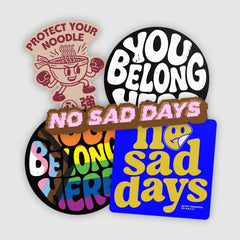
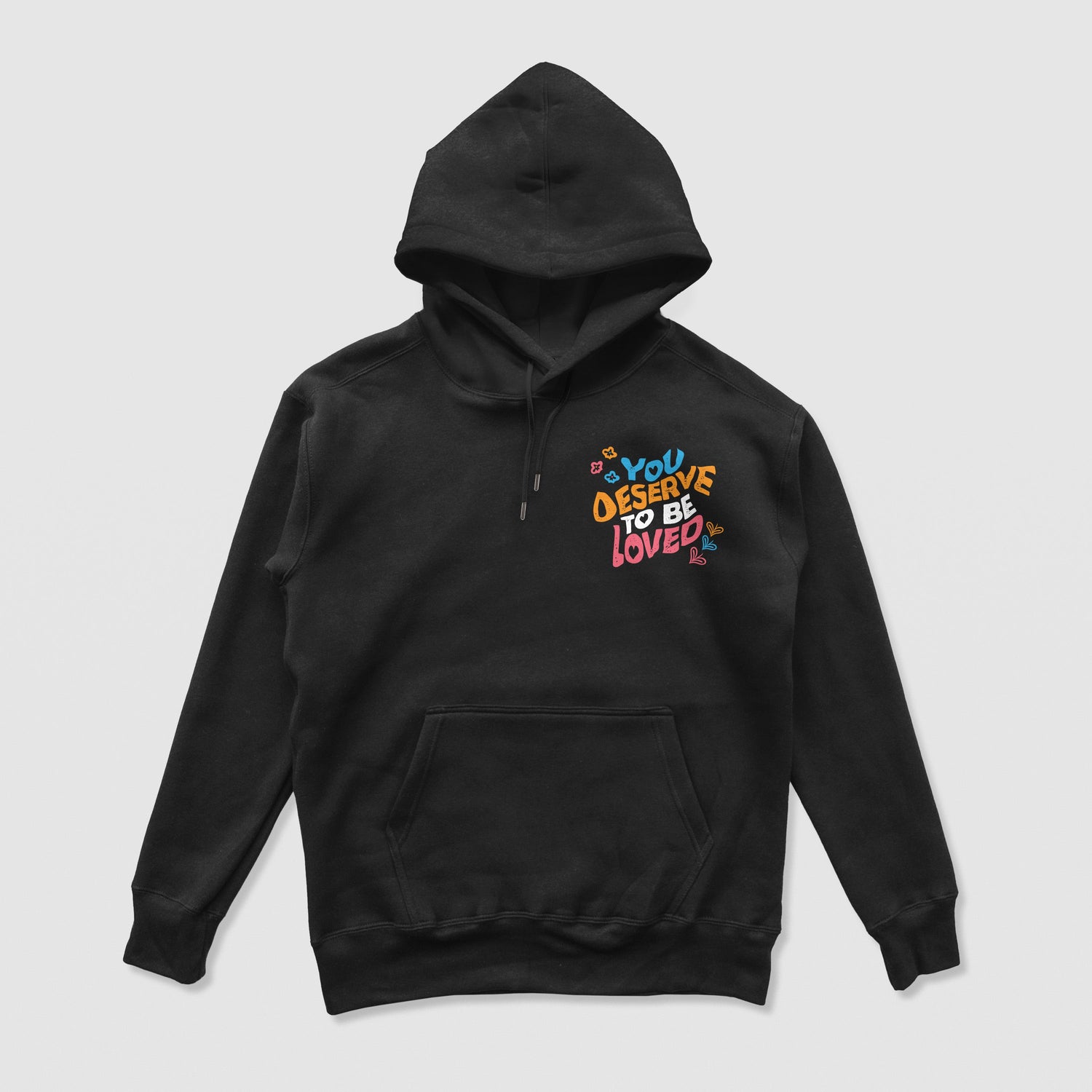
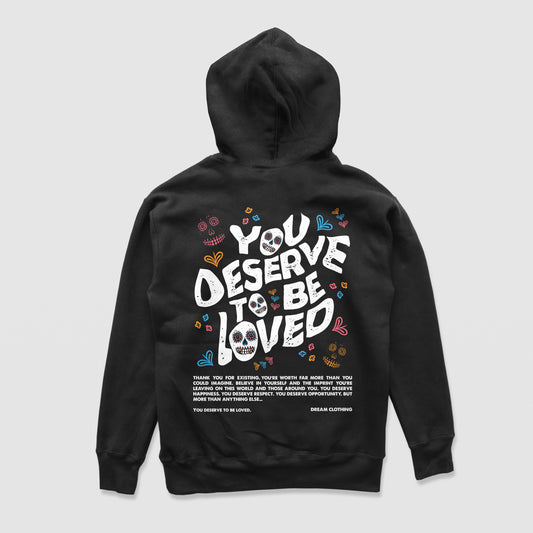
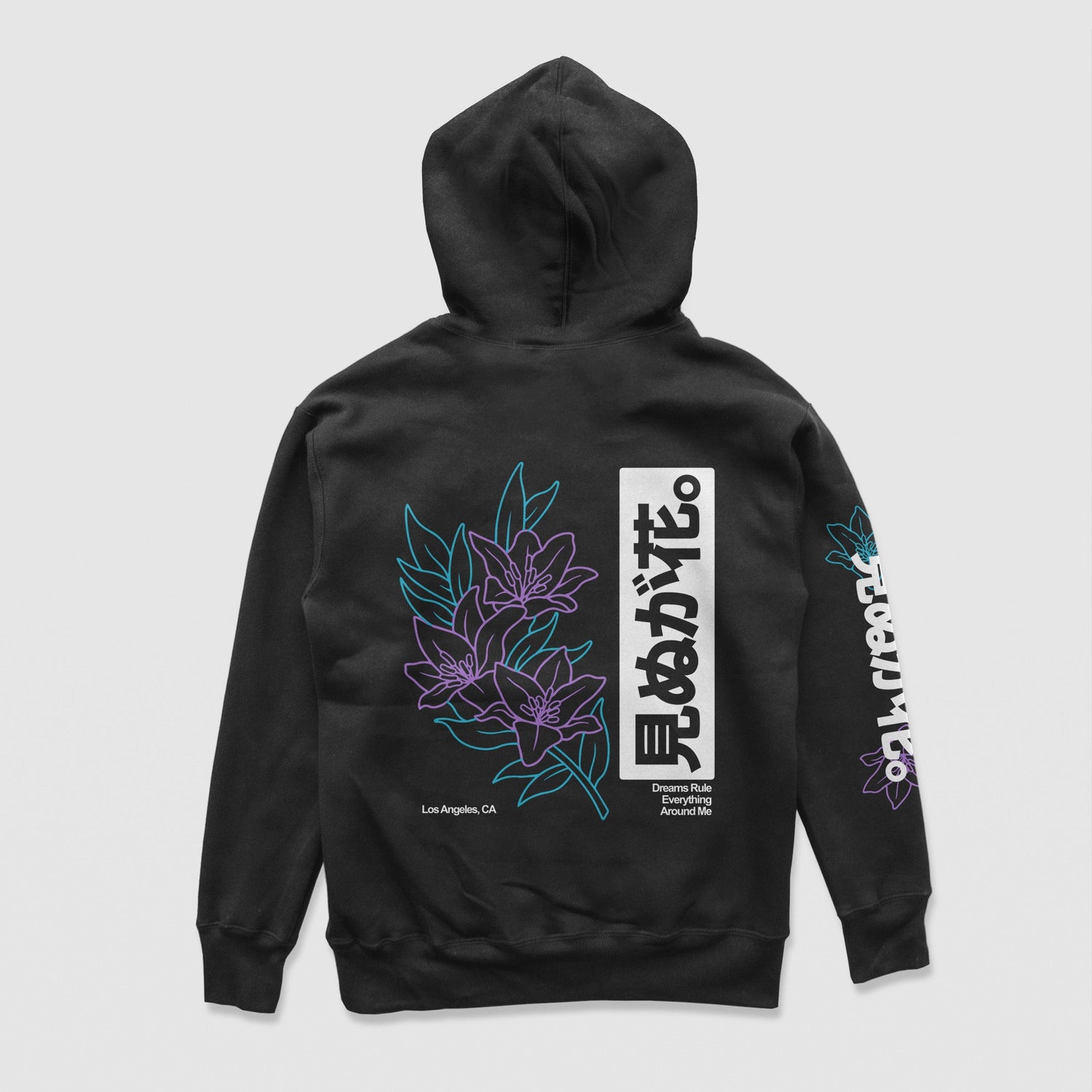
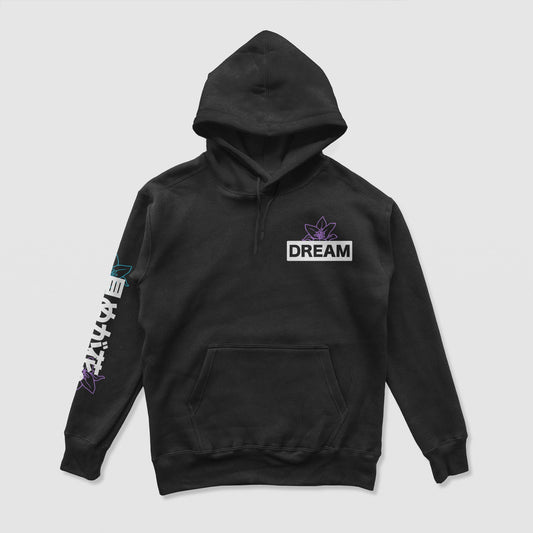
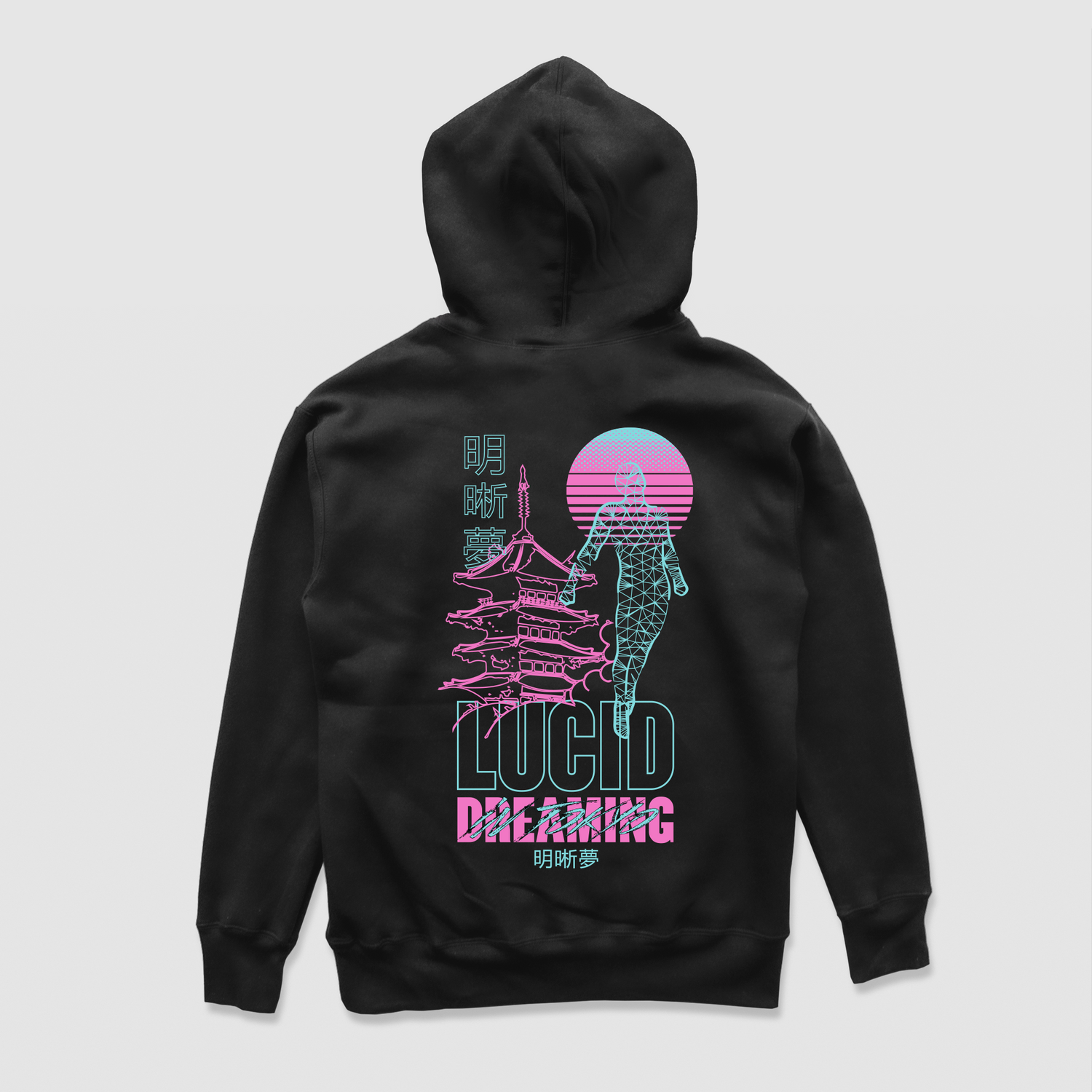
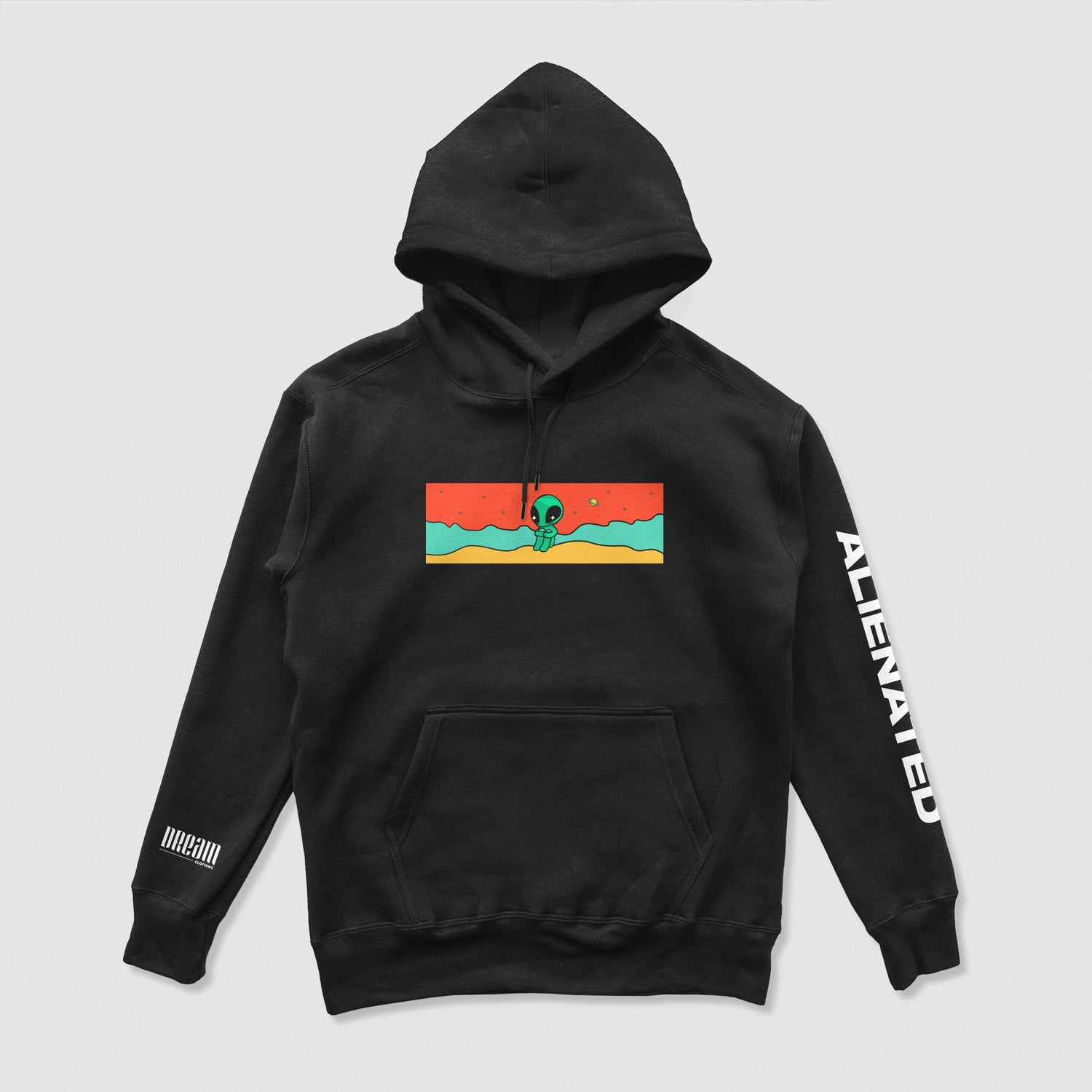
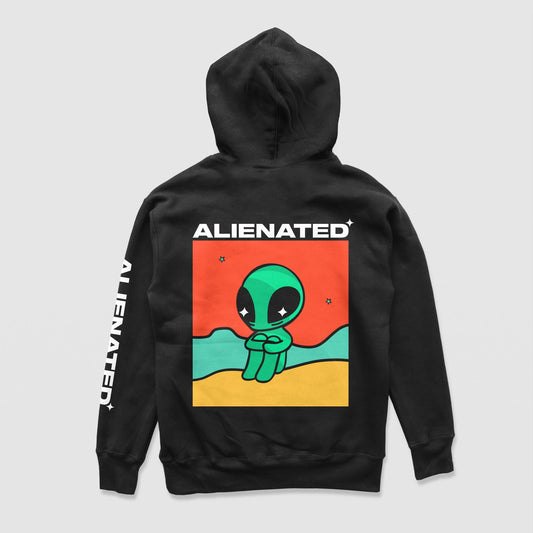
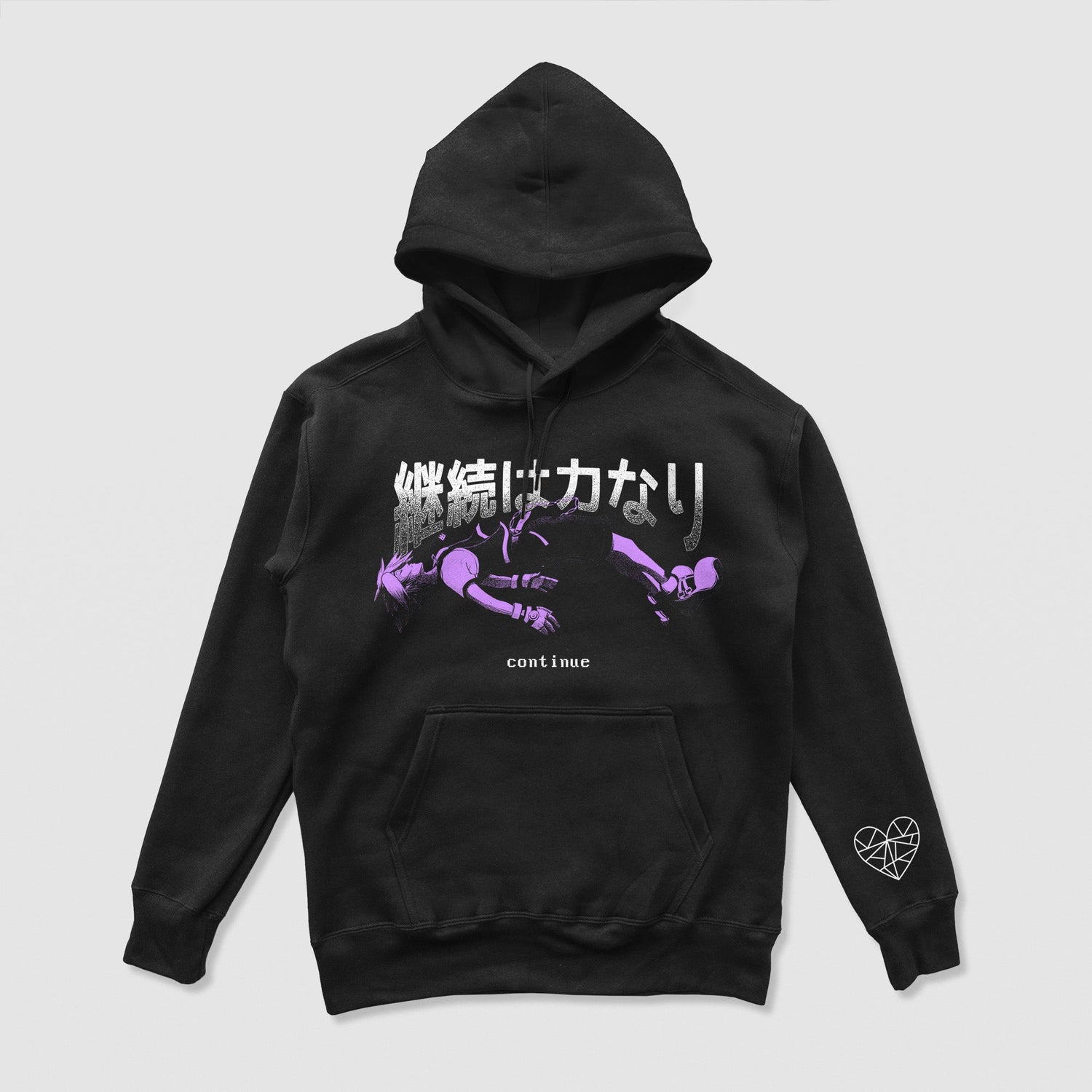
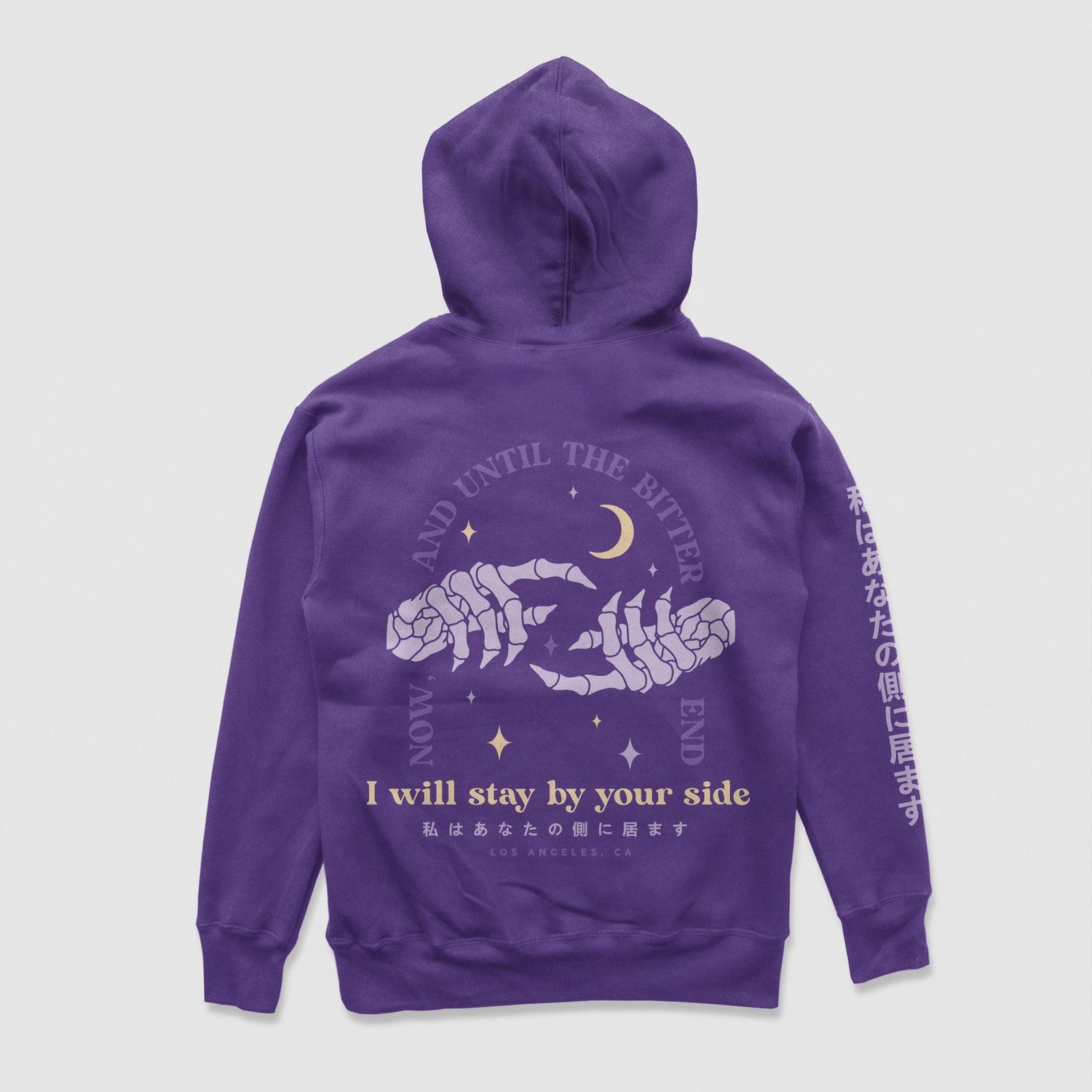
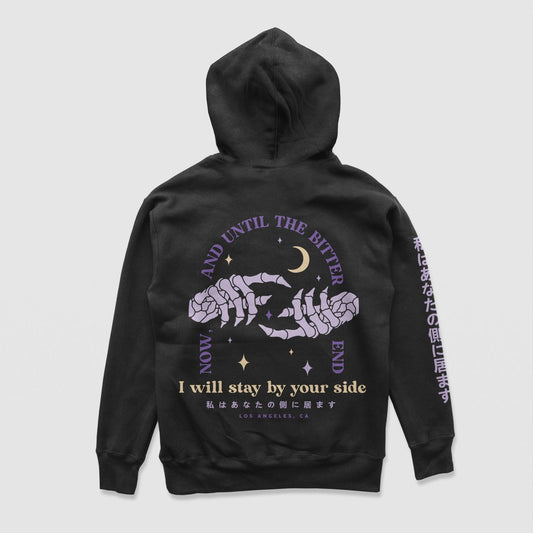
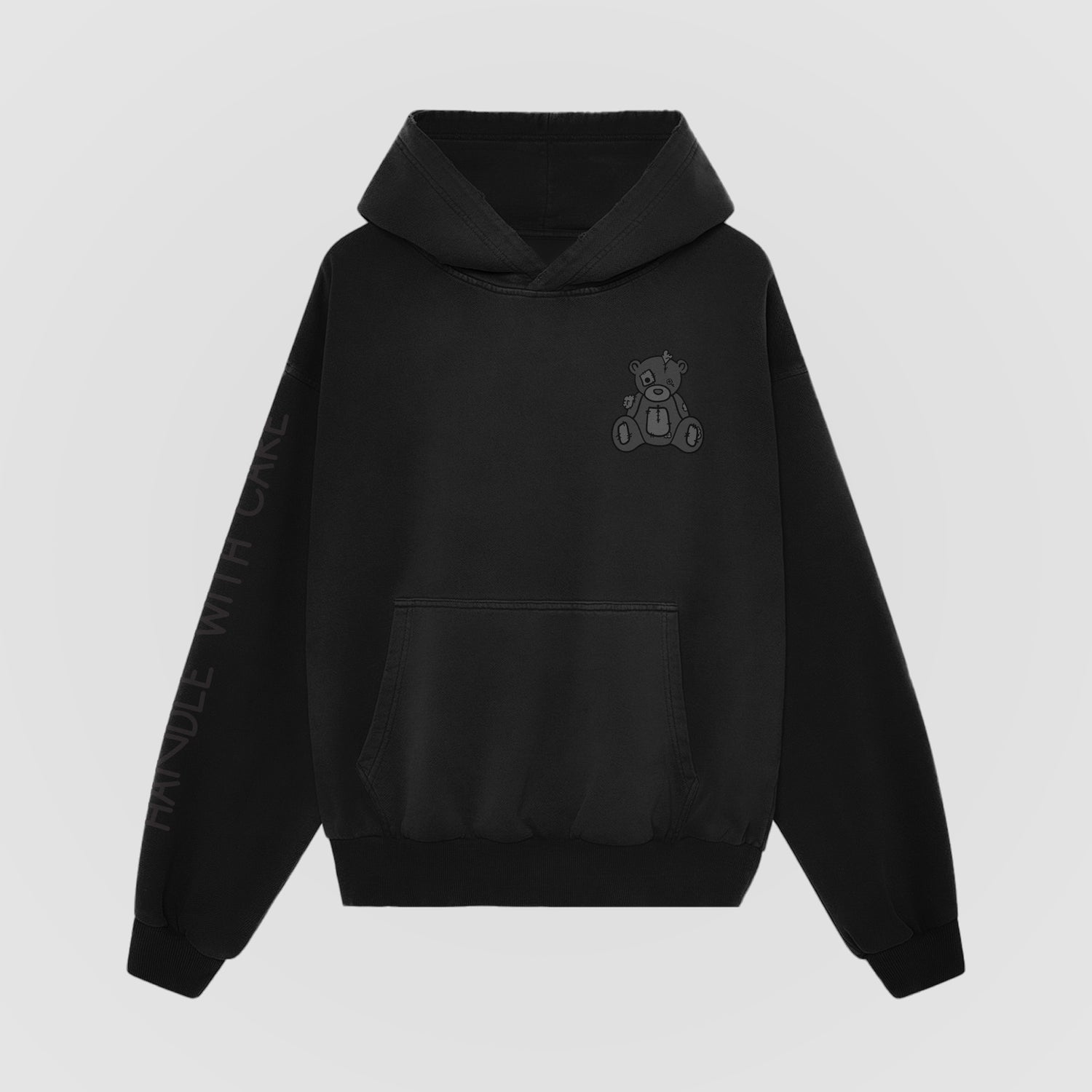
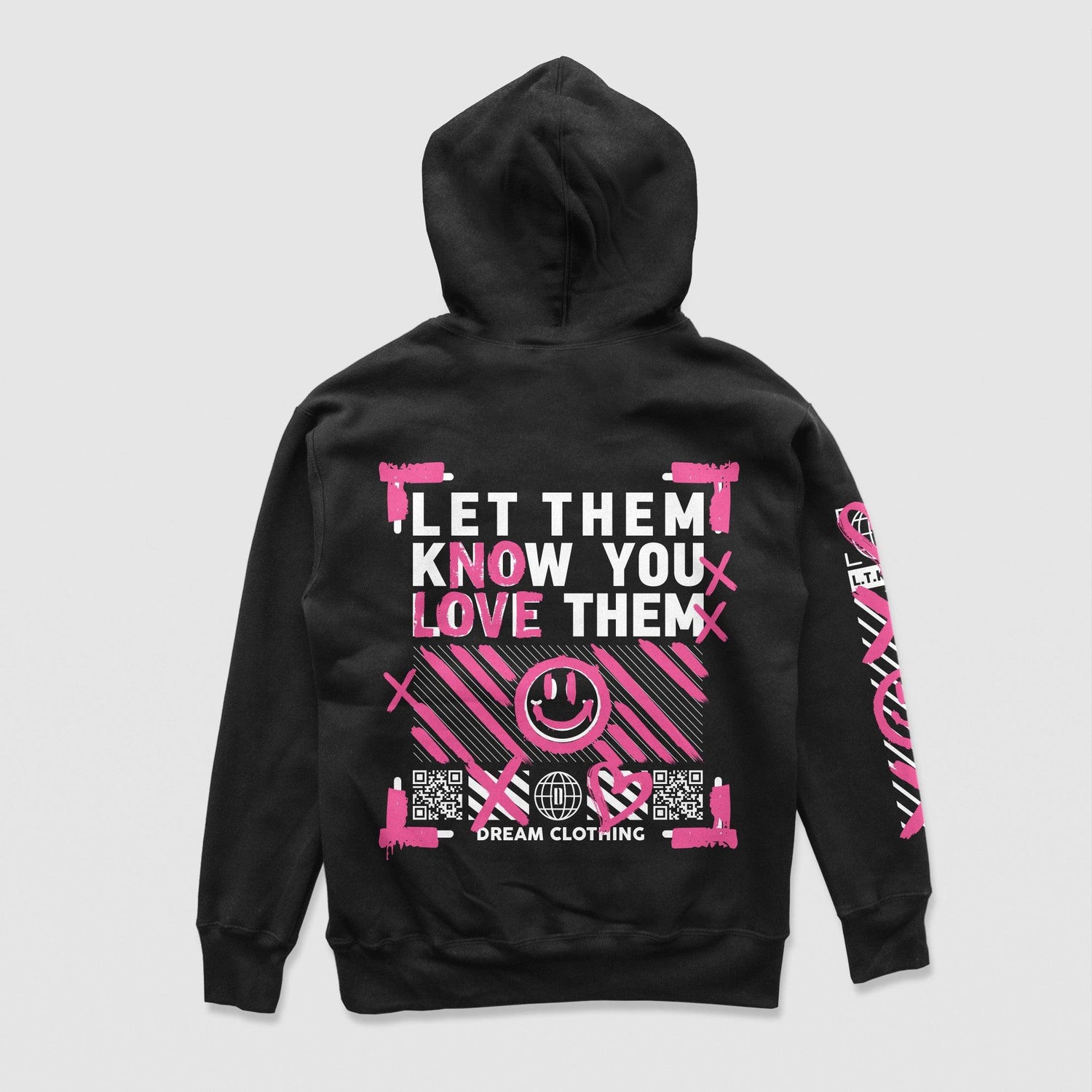
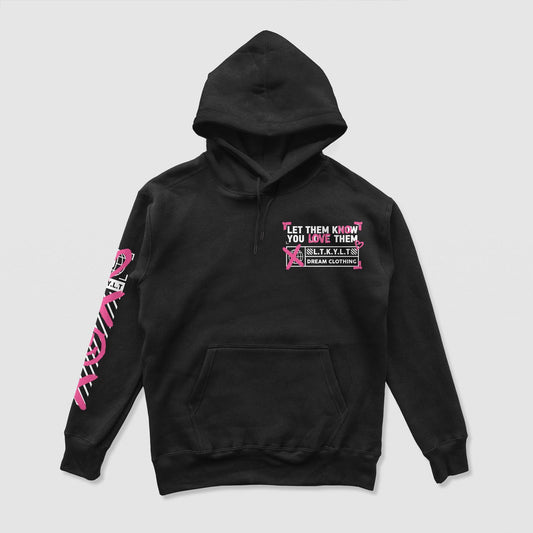
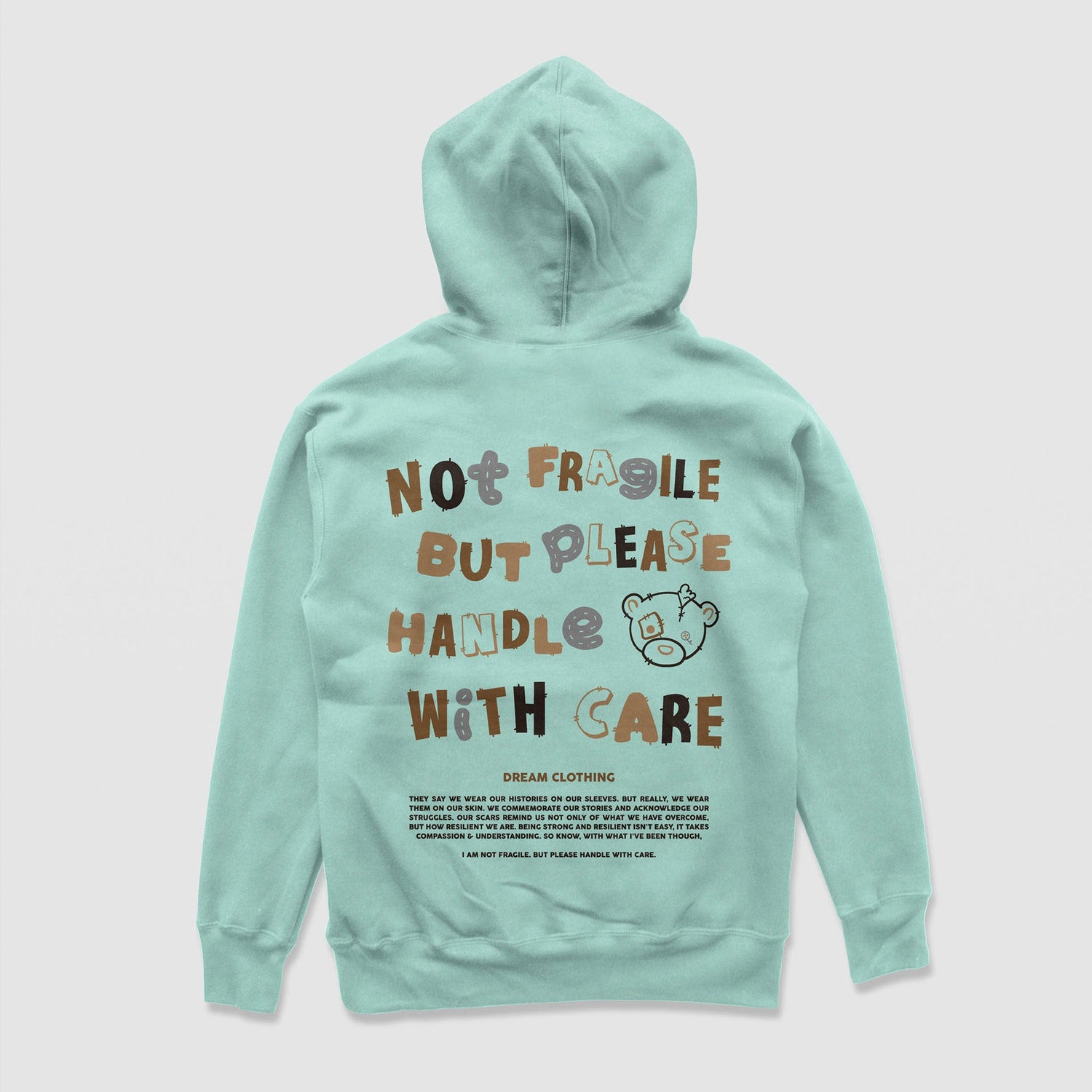
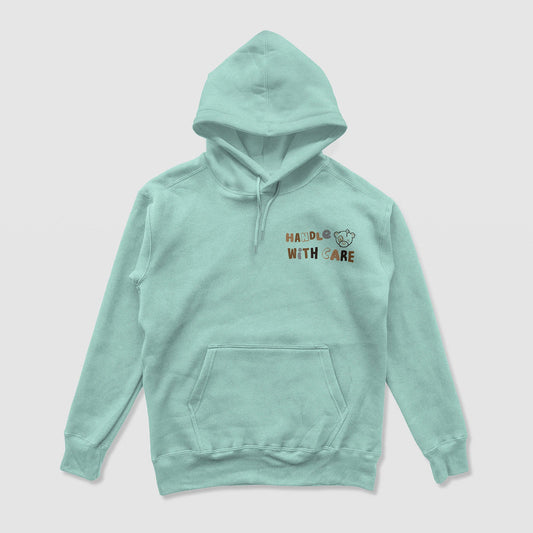
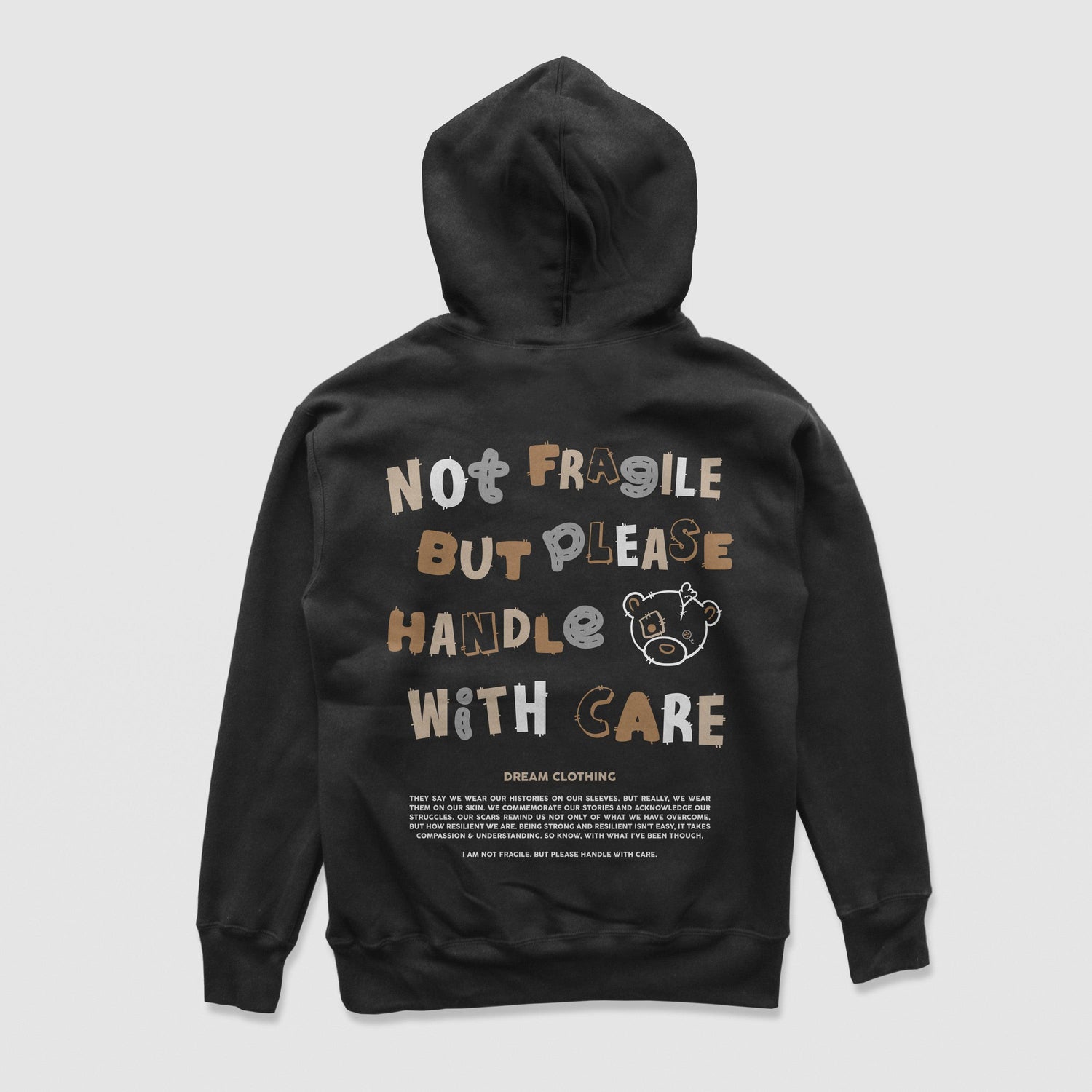
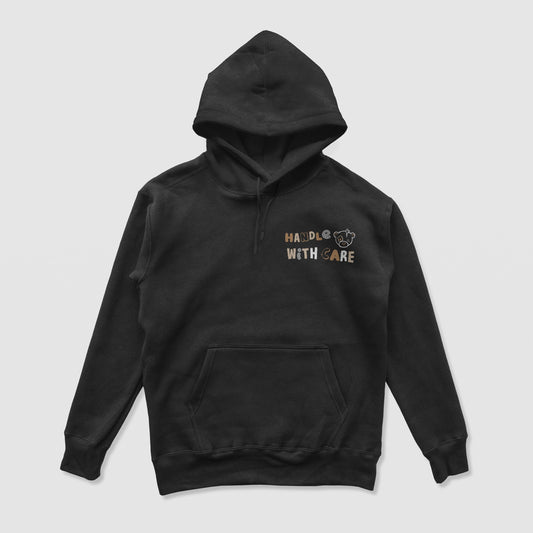
Someone who consistently chooses sustainable brands is expressing environmental values. A person who gravitates toward vintage pieces might be communicating creativity and individuality. The college student who lives in comfortable hoodies with meaningful messages is prioritizing both comfort and the desire to spark conversations about topics that matter to them.
Emotional Regulation Through Fabric
Comfort as Armor
When the world feels overwhelming, we reach for our emotional support clothing. That favorite sweatshirt isn't just soft cotton, it's a wearable hug. The psychology behind comfort clothing runs deeper than physical sensation.
Soft, loose-fitting clothes can actually lower cortisol levels and reduce anxiety. They create a physical boundary between you and the world, offering protection and security. This is why so many people have that one piece of clothing they turn to during difficult times.
Power Dressing Isn't Just Corporate
Power dressing extends far beyond boardrooms and business suits. A teenager wearing a band t-shirt is power dressing, they're aligning themselves with a community and set of values. The artist in paint-splattered jeans is power dressing for their creative environment. The parent in comfortable athleisure is power dressing for the demands of their daily life.
Power dressing is really about choosing clothes that make you feel capable and confident in your specific context. It's about wearing your values on your sleeve, sometimes literally.
The Social Psychology of Fashion Choices
Tribal Belonging
Humans are tribal creatures, and clothing serves as one of our most visible tribal markers. The way certain subcultures develop distinct fashion languages, from skateboard culture to academia to various music scenes, demonstrates our deep need to signal belonging.
Modern tribal belonging is more complex than ever. We might signal membership in multiple tribes throughout a single day: the morning coffee shop regular, the professional colleague, the weekend hiking enthusiast. Our clothing choices help us navigate these different social contexts.
The Mood-Outfit Feedback Loop
Your mood influences what you wear, but what you wear also influences your mood. This bidirectional relationship creates powerful opportunities for emotional self-regulation. Feeling down? That bright yellow shirt might actually lift your spirits. Need confidence for a big presentation? The outfit that made you feel unstoppable last time can work its magic again.
Color psychology plays a significant role here. Red can increase feelings of power and dominance. Blue promotes calm and trust. Black can feel both sophisticated and protective. These aren't just cultural associations; they're rooted in how different colors affect our nervous system.
The Communication Without Words
Signaling Values and Beliefs
In an era when people are increasingly conscious of the impact of their choices, clothing has become a powerful vehicle for expressing values. The person choosing fair-trade, ethically-made apparel is making a statement about their priorities. Someone wearing clothing with mental health awareness messages is opening doors for important conversations while normalizing discussions about emotional well-being.
This type of value-based dressing goes beyond personal expression; it's about contributing to cultural conversations and social change. When you wear your beliefs, you give others permission to share theirs.
The Conversation Starter Effect
Certain clothing choices function as social lubricants, making it easier for strangers to approach and connect. A vintage concert tee can spark conversations about shared musical interests. Clothing with meaningful messages can lead to deeper discussions about important topics. Even something as simple as an unusual color combination can serve as an icebreaker.
The Future Self Phenomenon
Dressing for Who You Want to Become
One of the most fascinating aspects of fashion psychology is how we use clothing to bridge the gap between our current self and our aspirational self. The person buying their first professional wardrobe isn't just preparing for job interviews, they're practicing being the professional they want to become.
This "future self" dressing can actually accelerate personal growth. When you dress like the person you want to be, you start embodying their characteristics. The aspiring entrepreneur who invests in quality business casual pieces begins to see themselves as someone who belongs in professional spaces. The person who starts wearing athletic wear more often might naturally gravitate toward more active lifestyle choices.
The Confidence Compound Effect
Confidence in clothing choices creates a compound effect. When you feel good in what you're wearing, you carry yourself differently. Others respond to that confidence, which reinforces your positive feelings about your choices. This creates an upward spiral of self-assurance that extends far beyond fashion.
The Comfort Revolution
Redefining Professional and Casual
The lines between professional and casual wear continue to blur, driven in part by our growing understanding of the psychology of comfort. Companies are recognizing that employees who feel physically comfortable are often more creative and productive. The rise of "athleisure" and comfortable, versatile pieces reflects this shift in priorities.
This doesn't mean professionalism is dead, but it means we're redefining what professionalism looks like. The key is choosing clothes that make you feel both comfortable and confident in your specific environment.
Mental Health and Fashion Choices
There's growing awareness of the connection between clothing choices and mental health. For some people, the daily decision of what to wear can feel overwhelming, especially during difficult periods. Having a simplified wardrobe of comfortable, versatile pieces can reduce decision fatigue and daily stress.
On the flip side, using fashion as self-care and self-expression can be incredibly beneficial for mental health. The act of choosing clothes that reflect your personality and values can be affirming and empowering.
Making Conscious Clothing Choices
Quality Over Quantity
Understanding the psychology behind your clothing choices can help you make more intentional purchases. Instead of buying impulsively, consider what each piece says about you and how it makes you feel. A smaller wardrobe of pieces you genuinely love and feel confident wearing is often more psychologically satisfying than a closet full of clothes you never reach for.
The Authenticity Test
Before adding something new to your wardrobe, ask yourself: Does this reflect who I am or who I want to become? Does it align with my values? Will it make me feel confident and comfortable? These questions can help you build a wardrobe that truly serves your psychological and practical needs.
The most powerful clothing choices are those that feel authentically you while also supporting your goals and values. Whether that's a hoodie with a meaningful message that sparks important conversations or a blazer that makes you feel ready to conquer the world, the best clothes are the ones that help you show up as your most genuine self.
Your clothing choices are far more than aesthetic decisions; they're psychological tools that can influence your mood, confidence, and how you navigate the world. By understanding the deeper motivations behind our choices, we can make more intentional choices that support both our emotional well-being and our personal growth.
The next time you're standing in front of your closet, remember: you're not just choosing an outfit. You're choosing how you want to feel, what you want to communicate, and who you want to be that day. Make it count.
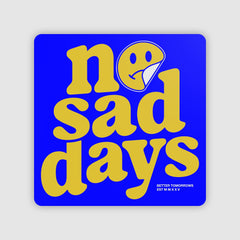
Ready to explore clothing that lets you express your values and start meaningful conversations? Learn more at nosaddays.com.