
Updated May 2026 · 12 min read
Mental health clothing has gone from a niche corner of streetwear to one of the most talked-about categories in fashion. What started as a few oversized tees with hopeful slogans has become an entire movement, with crisis lines printed on collars, suicide-prevention numbers stitched into hems, and brands donating a portion of every sale to therapy access. This guide breaks down what mental health clothing actually is, who it's for, why it works, and how to shop for it without falling for performative branding.
What is mental health clothing
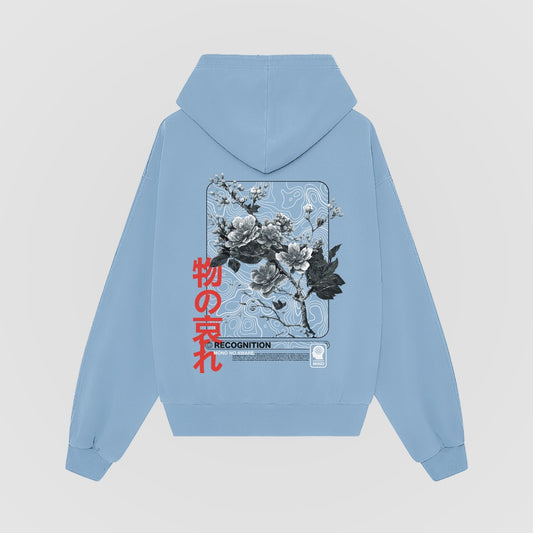
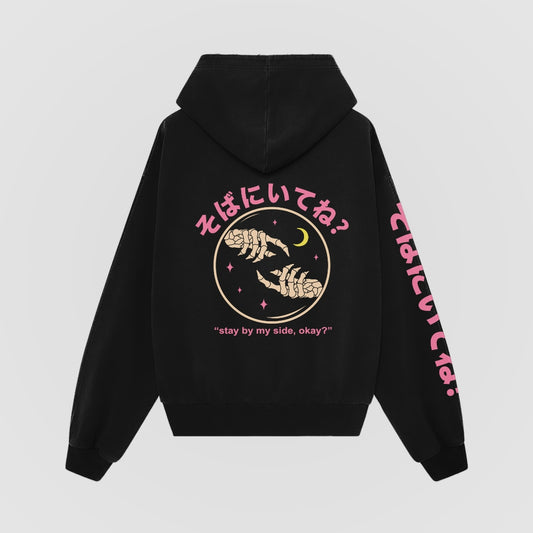
Mental health clothing is apparel designed to start conversations about mental wellbeing, normalize struggle, and in many cases fund resources for people who need help. It overlaps with streetwear, dopamine dressing, and conscious fashion, but its defining feature is intent. The graphic, the color, the cut, and the donation model are all built around a single mission: making it easier for someone to talk about what they're going through.
A regular graphic tee says "look at me." A mental health tee says "you're not alone." The difference shows up in three places:
- The message · Affirmations, crisis lines, mental wellness reminders, or short statements designed to reduce stigma.
- The mission · A real donation model, partnerships with mental health nonprofits, or built-in resources like the 988 lifeline.
- The materials · Heavyweight cotton, oversized fits, and soft fabrics chosen because they feel like a hug. There is real psychology behind why softer, looser clothing helps on hard days.
Who mental health clothing is for
The short answer is everyone, but the people who reach for it most often fall into a few groups:
- People in recovery · From depression, anxiety, addiction, grief, or burnout. A hoodie can become a daily reminder that the work is worth it.
- Friends and family of someone struggling · A pink tee that says "Real Men Wear Pink" is an invitation for a loved one to talk without anyone having to say the hard words first.
- Advocates and allies · People who want what they wear to reflect what they care about. Mental health streetwear is one of the clearest ways to do that.
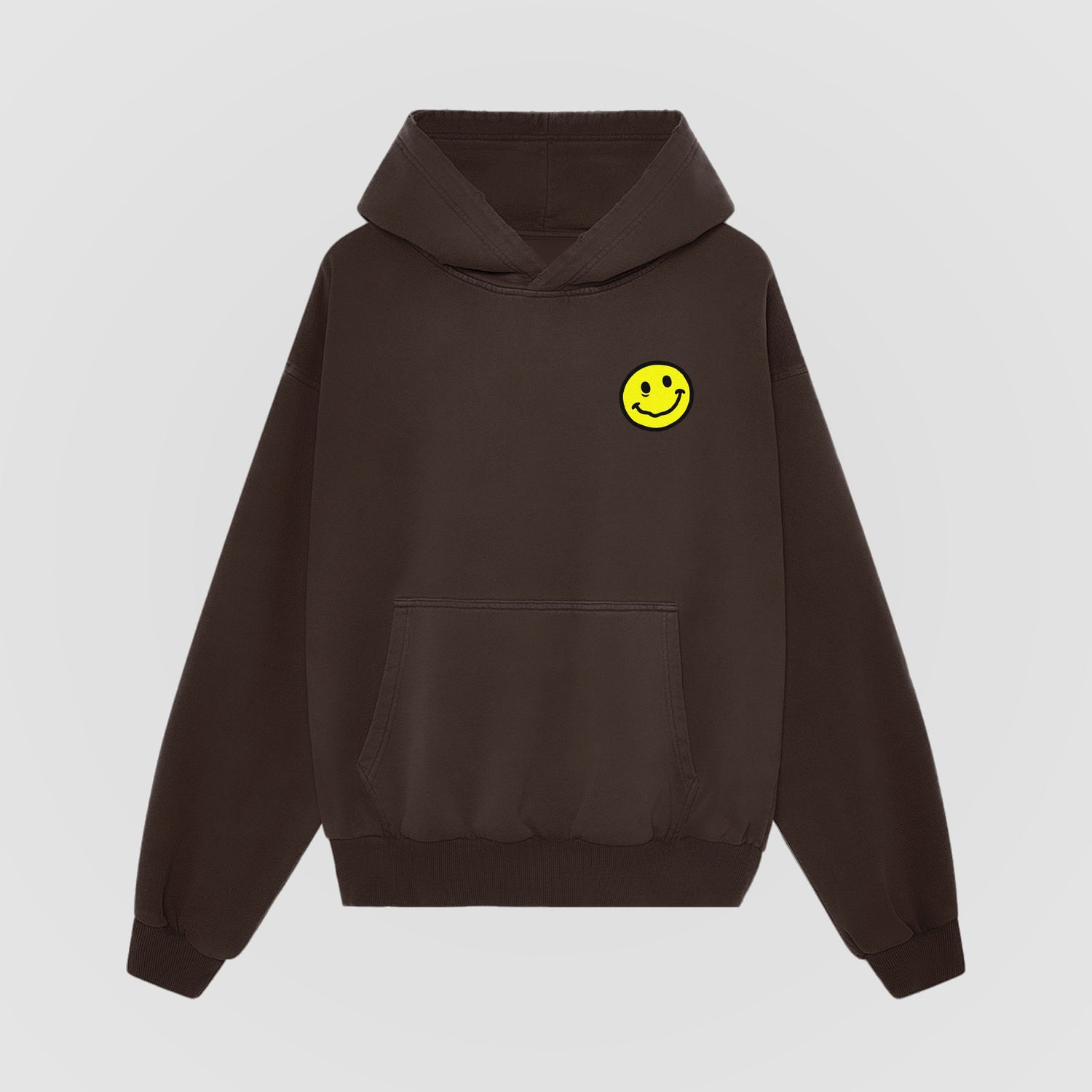
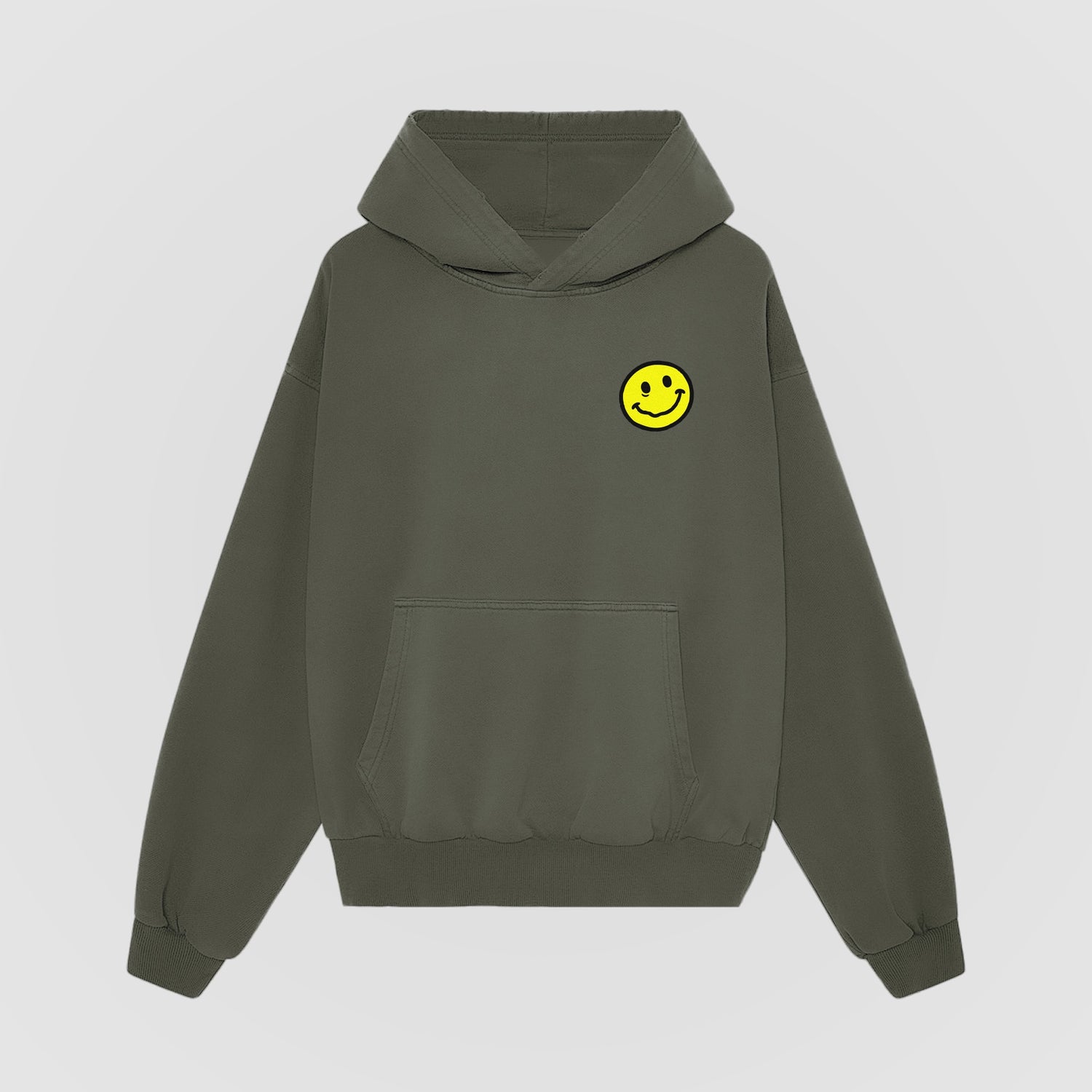
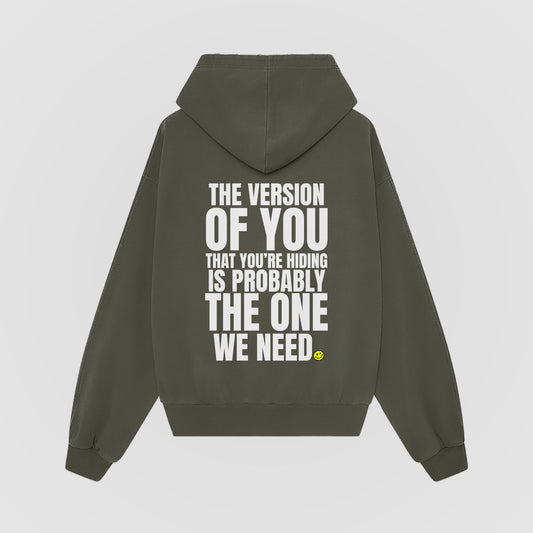
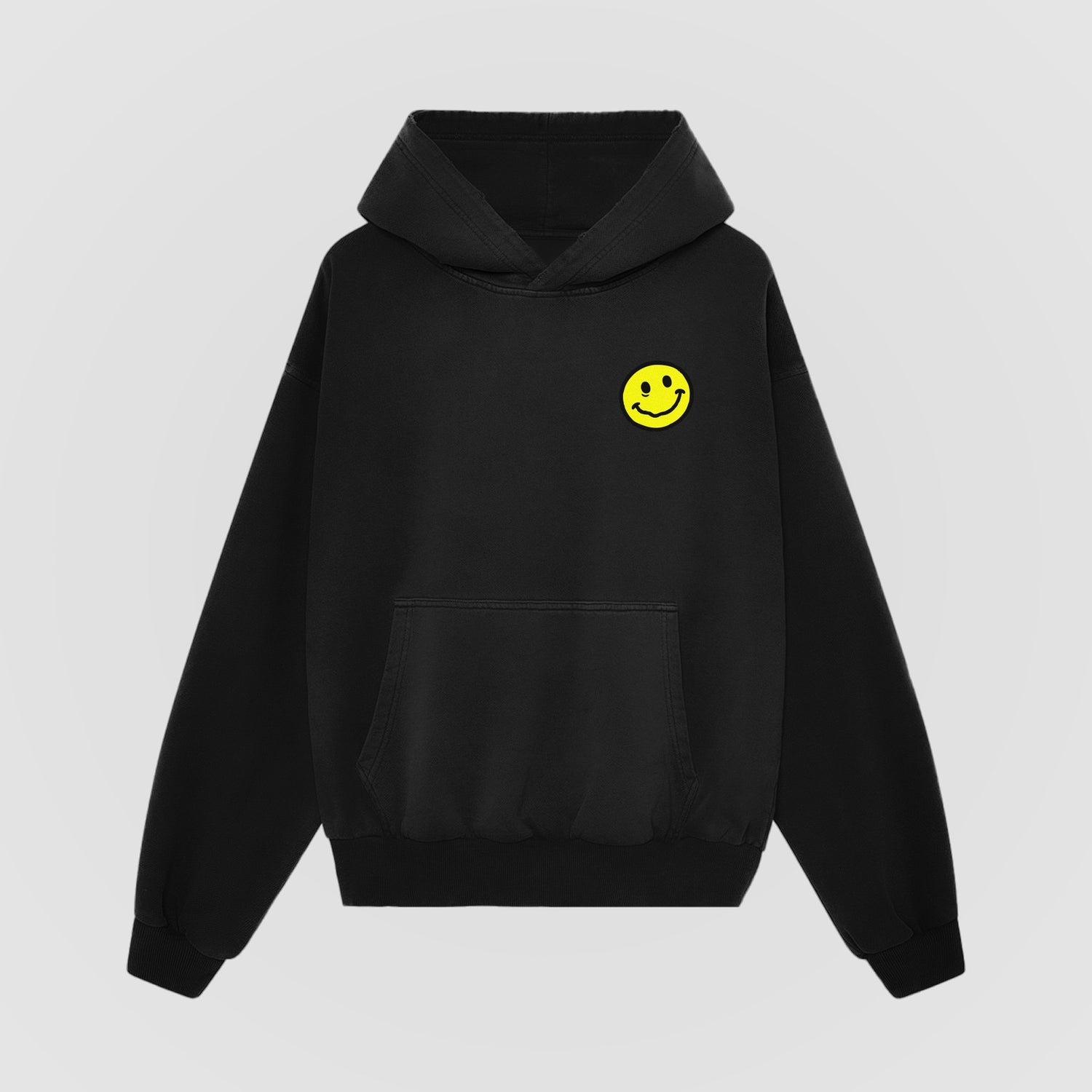
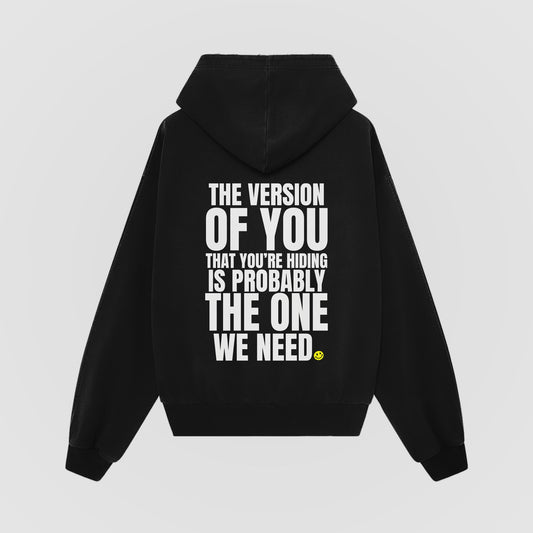
- Anyone tired of the "I'm fine" script · Mr. Fine, the smiley character on many No Sad Days drops, is built around the truth that "I'm fine" is the most-used lie in mental health. Wearing him is a small way to break that script.
Why clothing actually helps mental health
This is the part most articles skip. The science behind dopamine dressing, color psychology, and "soft-clothing days" is real. Here's the short version, with sources you can verify.
Color affects mood
Bright, saturated colors, especially yellow and warm tones, are associated with higher self-reported mood and energy in multiple studies. Wearing color on a low day is not a cure, but it is a nudge in the right direction. This is why our palette leans into pure yellow, white, and black instead of muted neutrals.
Soft fabrics regulate the nervous system
Weighted, heavy, and soft textiles have a calming effect through deep-pressure stimulation. That's the same principle behind weighted blankets. A heavyweight oversized hoodie does a softer version of the same thing all day.
Wearing a message reduces stigma
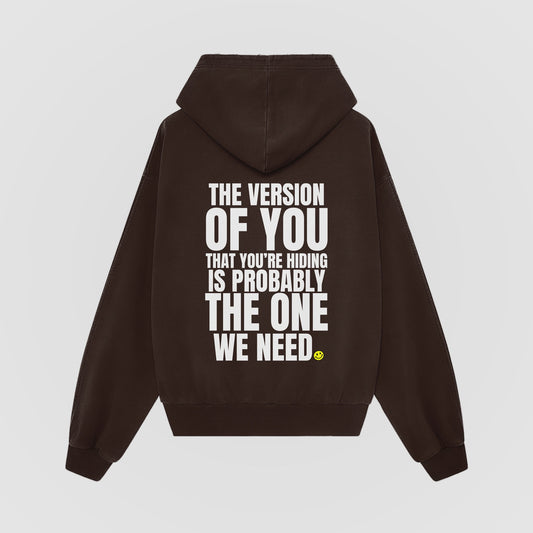
When you put on a shirt that says "Reach Out Anyway" or wear a smiley that means "smiling through it," you give every person around you permission to start the conversation. NAMI and similar advocacy groups have documented for years that visibility is the single biggest driver of mental health help-seeking behavior.
Identity follows action
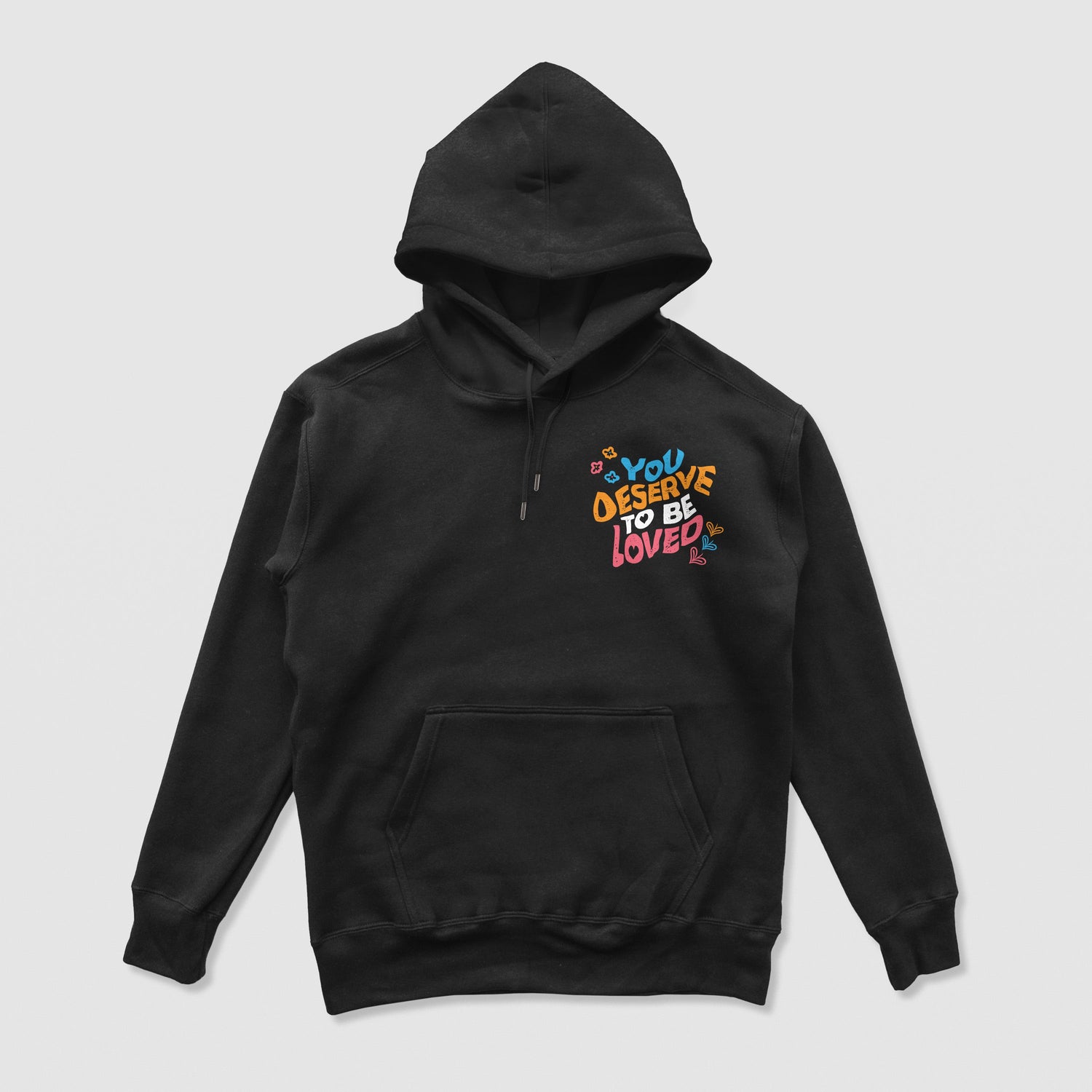
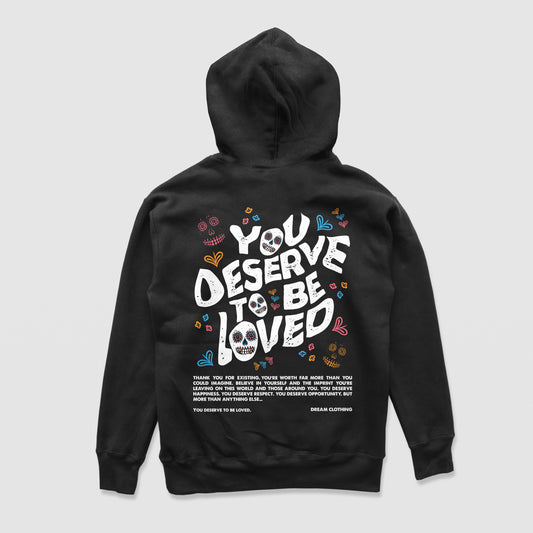
Behavioral psychology calls this enclothed cognition: what we wear changes how we think about ourselves. Put on a tee that says "You Deserve to Be Loved," and over a long enough time, you start to believe it.
The most important elements of mental health clothing
1. A real donation model
The fastest way to spot a brand that means it: they tell you exactly where the money goes. Beware vague phrases like "we give back." Look for a percentage, a partner organization, and ideally an impact page with hard numbers. At No Sad Days a portion of every sale funds free therapy sessions through nonprofit partners. The current total is on our impact page.
2. Crisis resources built in
The 988 Suicide & Crisis Lifeline is the single most important number in American mental health. Look for brands that print it inside the tee, on the care label, or on the packaging. It's not branding. It's the difference between a graphic and a tool.
3. Conversation-starter graphics, not slogans
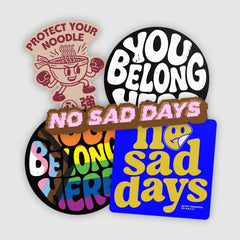
Slogans get old. Symbols don't. The Mr. Fine smiley, the lockup with "Smiling through it," and the simple "No Sad Days" wordmark all start conversations because they invite a question. "What does that mean?" is the opening line for every important talk.
4. Fits that feel like comfort
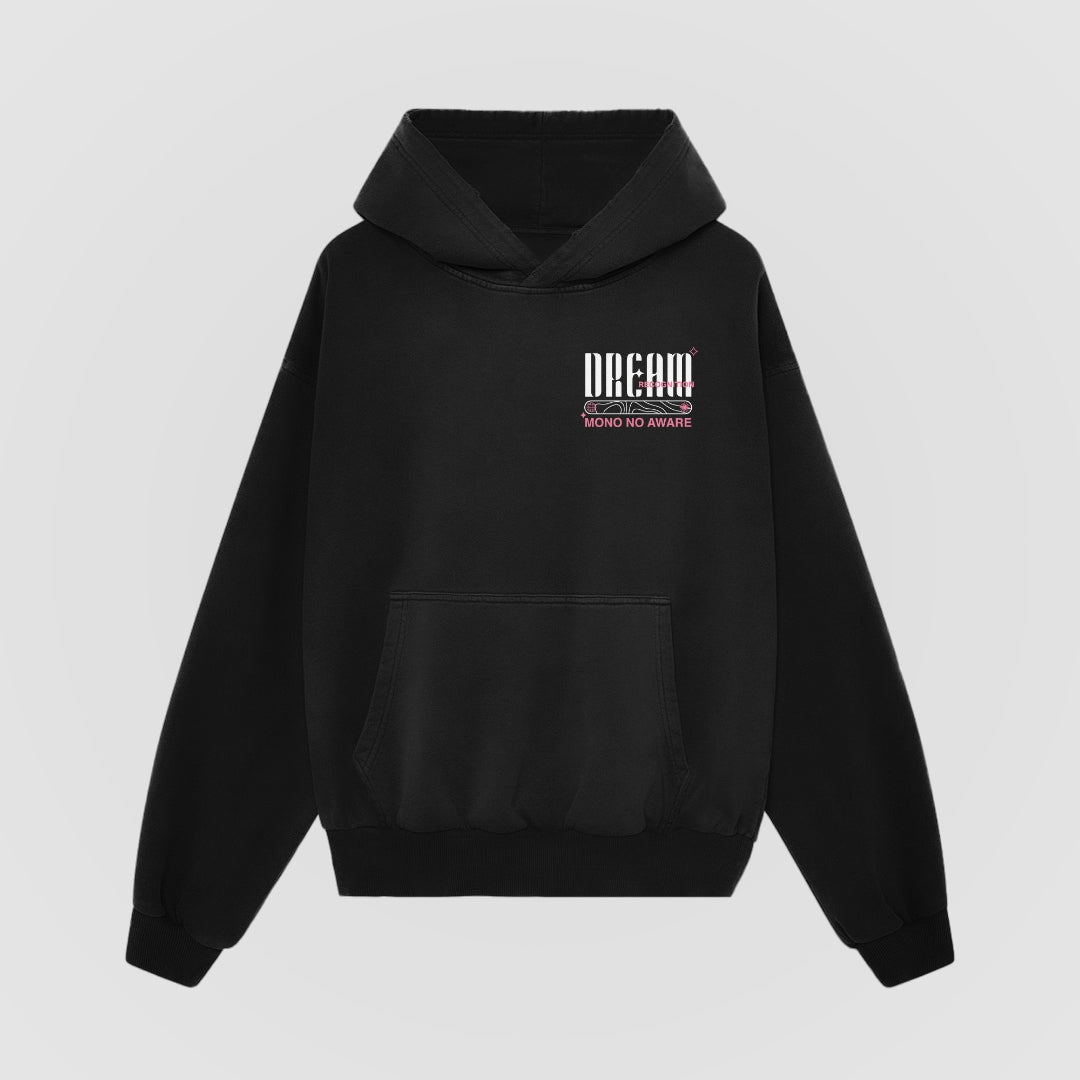
Oversized boxy tees, heavyweight French terry hoodies, and roomy joggers exist for a reason. On hard days, your clothing should feel like protection. Slim-fit anything is the opposite of what most people need when they're struggling.
5. Built locally, made to order
Fast fashion runs on guilt, overproduction, and waste. The opposite of fast fashion is made to order: nothing is printed until you place it, and every dollar can be tracked to the mission. That model is also why mental health streetwear tends to cost a little more than mall brands. You're paying for the values to be real.
How to shop mental health clothing without falling for the fake
The mental health space has its share of brands that slap a ribbon on a tee and call it a movement. Use this checklist before you buy:
- Is the percentage donated specific? If a brand says "a portion" without ever saying how much or where, ask. Real brands will answer.
- Is the partner organization named? 988, NAMI, To Write Love on Her Arms, The Trevor Project, Crisis Text Line, AFSP, SAMHSA. Real partners get named.
- Is there an impact page? Dollars raised, sessions funded, lives reached. If a brand can't give you numbers, they don't have any.
- Does the founder talk about mental health publicly? Mission brands are usually built by people who have lived it.
- Does the customer service team check in on you? The best mental health brands answer DMs like friends, not bots.
The most common questions people ask before they buy
Is mental health clothing only for people who are struggling?
No. Most of our customers wear it to show support, normalize the conversation, and remind their friends that it's OK to talk. Some wear it because they're in their own recovery. The pieces work the same either way.
What's the difference between mental health clothing and regular streetwear?
Intent and donation. Mental health streetwear is built around a mission. Regular streetwear is built around a drop. The cut, fabric, and feel are often similar. The reason behind the piece is completely different.
Where does the donation money actually go?
At No Sad Days, a portion of every order goes toward funding free therapy sessions through nonprofit partners. The breakdown by month and the total sessions funded are on our impact page, updated daily from real order data.
Is "Real Men Wear Pink" only for men?
No. It's a statement about masculinity and vulnerability that anyone can wear. Pink is one of the highest-impact colors for breaking the stigma that men don't talk about feelings. The tee is for anyone who agrees.
Why oversized?
Comfort, deep pressure, and freedom of movement. Oversized fits hit harder on rough days. They also age well, fit a wider range of body types, and look better than slim cuts in 2026.
Do you ship internationally?
Yes. We ship worldwide. International orders take longer, and customs fees vary by country.
What if I love the cause but the design isn't for me?
The fastest way to support a mission brand without buying anything is to share their work, tag them, or donate directly to their partner organizations. 988, NAMI, and To Write Love on Her Arms all take direct donations.
Mental health clothing and the 988 lifeline
If you or someone you know is in crisis, call or text 988. The 988 Suicide & Crisis Lifeline is free, confidential, and available 24/7 across the United States. It connects you to trained counselors at one of more than 200 local crisis centers. You don't have to be suicidal to call. You just have to be struggling. More information at 988lifeline.org.
The bottom line
Mental health clothing works when the clothing is built on three things: a real mission, real materials, and a real conversation. Skip the brands that treat your wellbeing like a marketing angle. Support the ones that put crisis lines on care labels, sessions funded on the homepage, and the founder's own story on the about page. The right tee won't fix anything, but it can be the small daily reminder that you are not alone, that smiling through it is allowed, and that on the worst days, there's a community wearing the same words.
Read next: The Rise of Mental Health Streetwear: How Clothing Became Therapy · How to Find Affordable Therapy in 2026 (Even Without Insurance) · What 988 Actually Is (And When to Call It).