

Why Men Wear Pink: Breaking the Toughest Stigma in Men's Mental Health
men's mental health has a silence problem. not a shortage of resources, not a lack of science, but a deep, generational resistance to admitting that something is wrong. that silence has a body count. and increasingly, a growing number of men are choosing to fight it with something as simple as the color of their shirt.
the numbers that don't lie
the statistics around male mental health are stark and worth stating plainly. suicide rates among men are roughly 4 times higher than among women, according to research cited by American Behavioral Clinics. yet only about 35% of men seek mental health help, compared to 58% of women, per data from Healing Springs Wellness.
those two numbers, sitting next to each other, tell a painful story. men are dying at far higher rates from mental health crises, but are also the group least likely to ask for help before that crisis hits. something is systematically wrong with how men are taught to handle emotional pain.
where the stigma comes from
male mental health stigma isn't new, and it isn't accidental. boys are taught early, through family, media, and peer culture, that emotional expression signals weakness. phrases like "man up," "stop being soft," or "boys don't cry" aren't just throwaway comments. they're instructions that get internalized and repeated over decades.
the result is a form of emotional suppression that becomes the default mode. men learn to push through, to not talk about it, to handle it alone. and for a long time, that approach isn't visibly catastrophic. then it is.
the pressure is especially intense around anything perceived as feminine. showing emotion. asking for help. wearing the wrong color.
why pink became a protest
pink is just a color. it has no inherent meaning. but in the context of masculine culture, wearing pink voluntarily says something: i don't take my identity cues from fear.
the real men wear pink idea has circulated in mental health spaces for good reason. it's a small, daily act of resistance against the idea that emotional openness or softness is incompatible with masculinity. it draws a direct line between the color and the question: what else are you afraid to do?
- wearing pink is low-stakes, high-visibility advocacy
- it opens conversations without requiring the wearer to say anything first
- it signals to other men that it's okay to be seen differently
- it challenges the unstated dress code of emotional suppression
- it turns a wardrobe choice into a values statement
when a man wears pink, he's not making a fashion statement. he's making a statement about what he refuses to be afraid of.
the ydtbl pink tee and what it represents
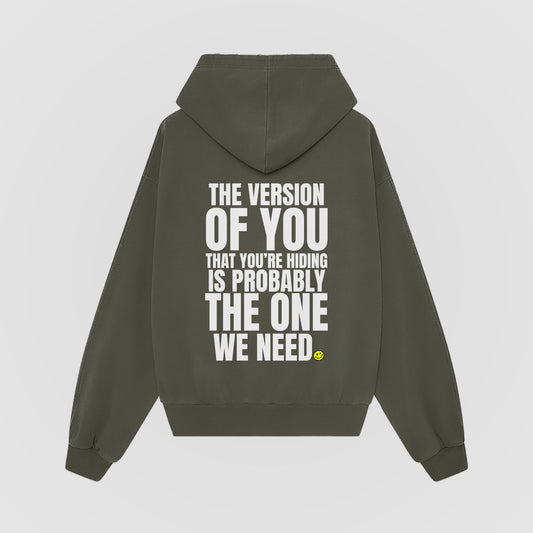
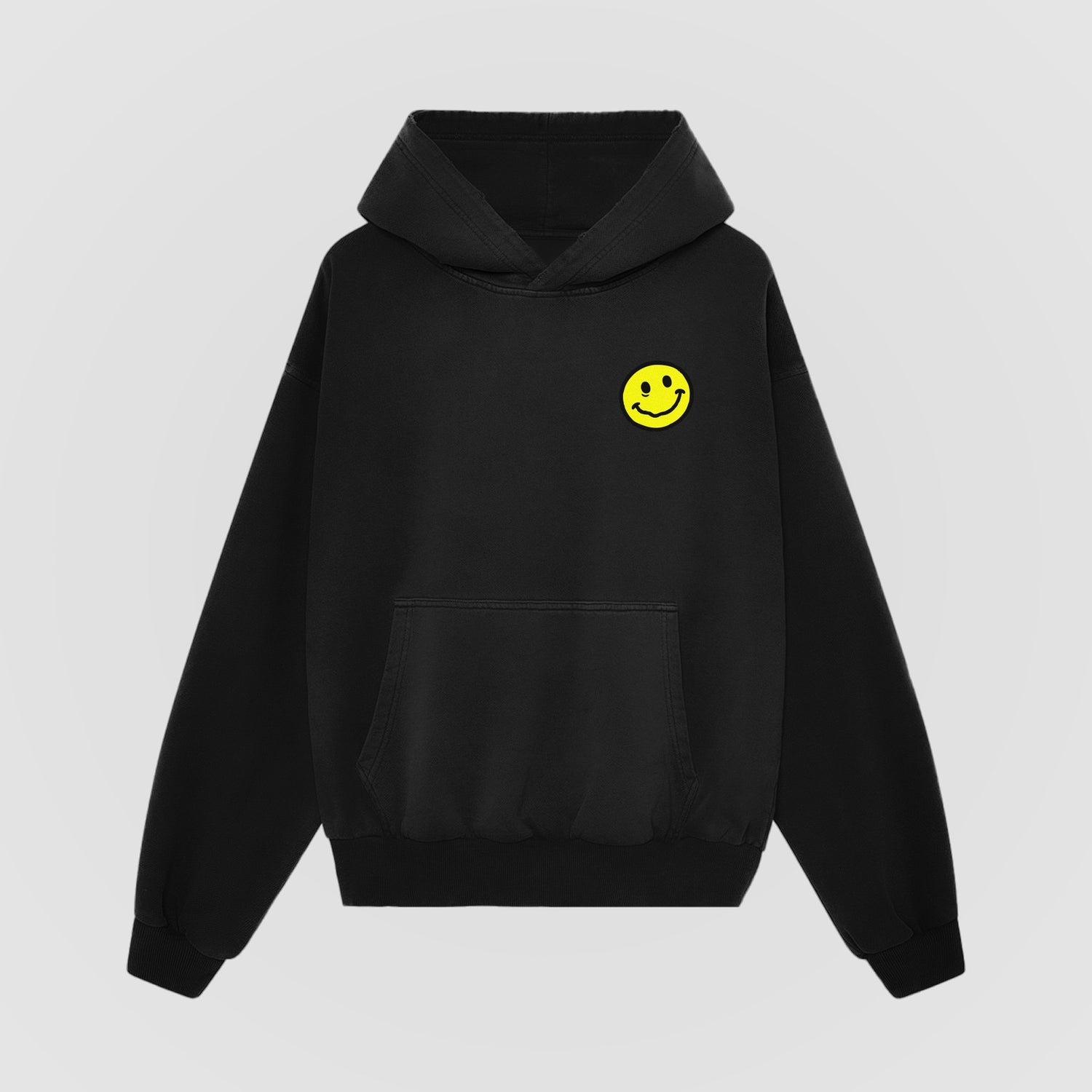
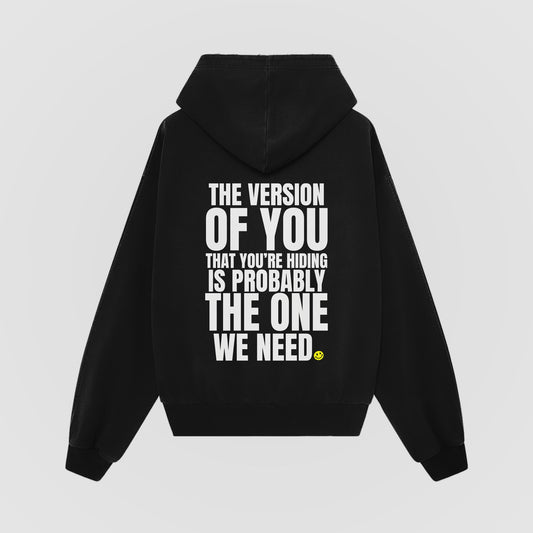
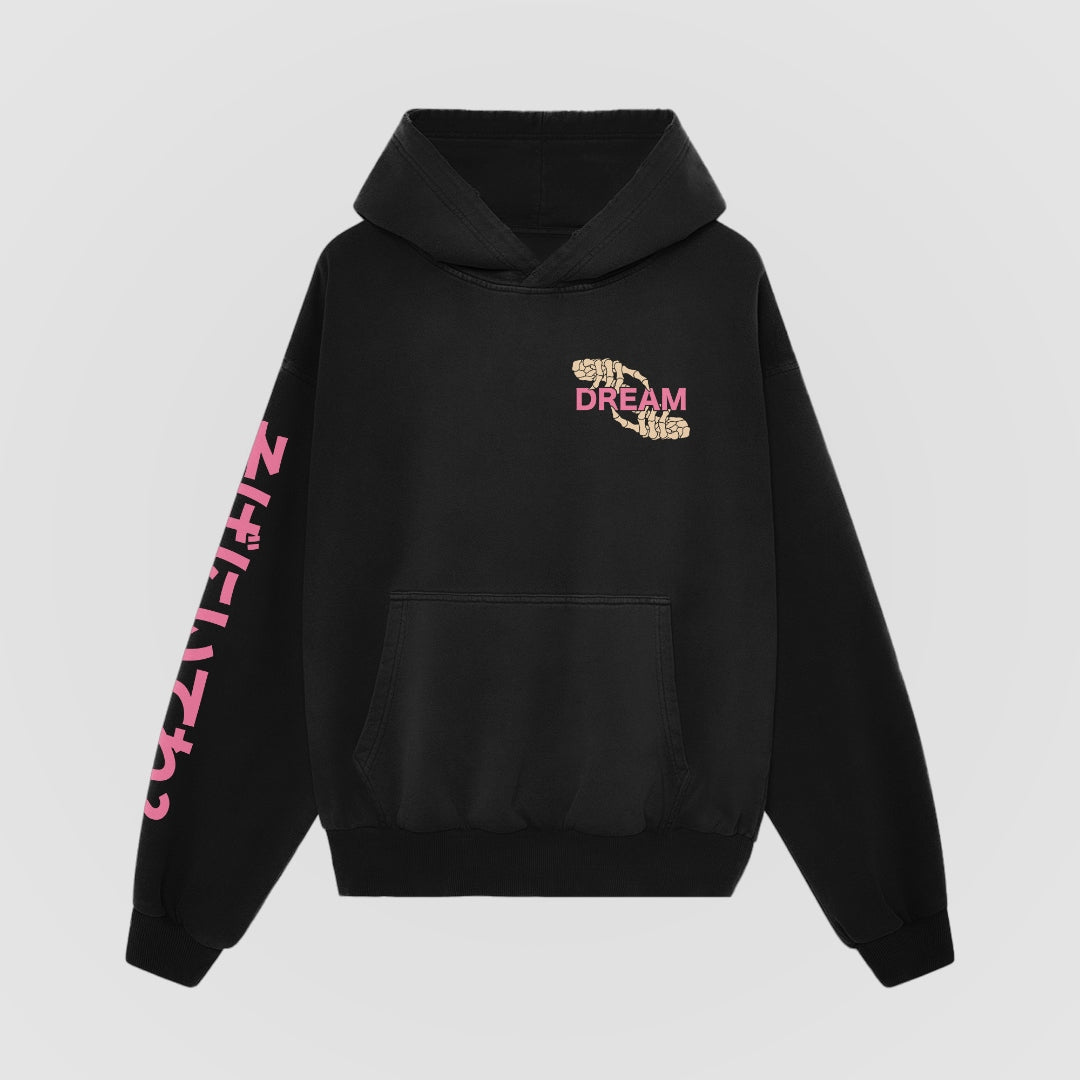
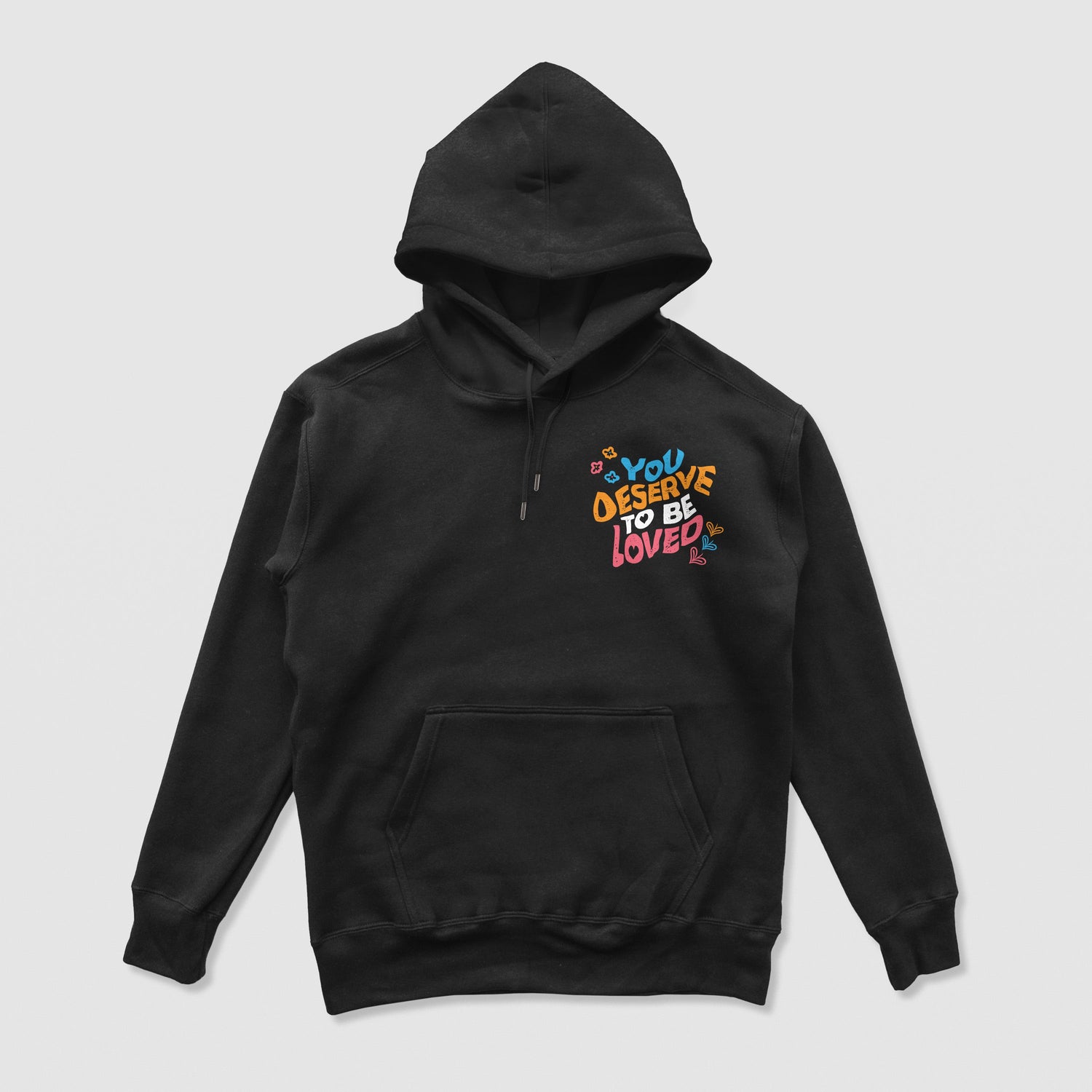
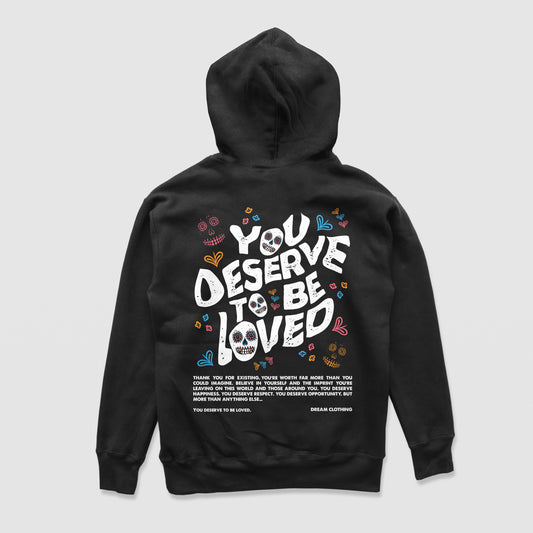
no sad days built the you deserve to be loved pink tie-dye tee around exactly this intersection of color and message. the phrase you deserve to be loved is one that men, specifically, rarely hear directed at them. it cuts against the self-sufficiency myth, the idea that needing love or support is a burden.
wearing it is an act of self-permission as much as advocacy. the broader mental health streetwear collection was designed with this in mind: pieces that carry a message without requiring explanation, that work in any context, and that let the wearer decide how much they want to share.
what actually helps men's mental health
beyond clothing, the conversation about guys' mental health has to include practical action. here's what research and clinicians consistently point to:
- normalize asking for help in male peer groups (it spreads)
- find a therapist who works with men on identity and emotional language, not just symptom management
- physical activity has strong evidence as an adjunct to therapy for men specifically
- community matters: isolation is one of the biggest risk factors for male depression
- if a friend seems to be struggling, ask directly. are you okay is not enough. asking whether someone is thinking about hurting themselves is a question you can ask.
if you or someone you know is in crisis, the 988 Suicide and Crisis Lifeline is available by call or text at 988, 24 hours a day.
this isn't medical advice. if you're in crisis, call or text 988.
the work is daily
breaking male mental health stigma isn't a single conversation. it's a daily practice of showing up differently than you were taught to. it's wearing pink on a tuesday. it's texting a friend instead of ghosting them when you're struggling. it's saying i'm not okay once, and seeing what happens.
explore the best sellers or browse the full collection. every purchase supports a portion going toward mental health initiatives. 7-Day Exchanges on every order, no questions asked.
less sad days. better tomorrows. one sad day at a time.