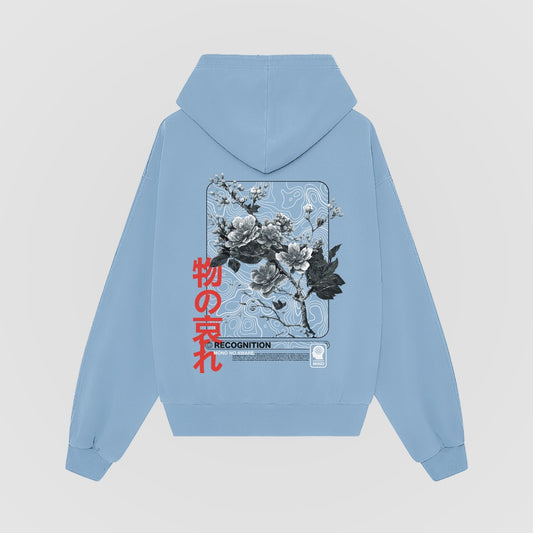
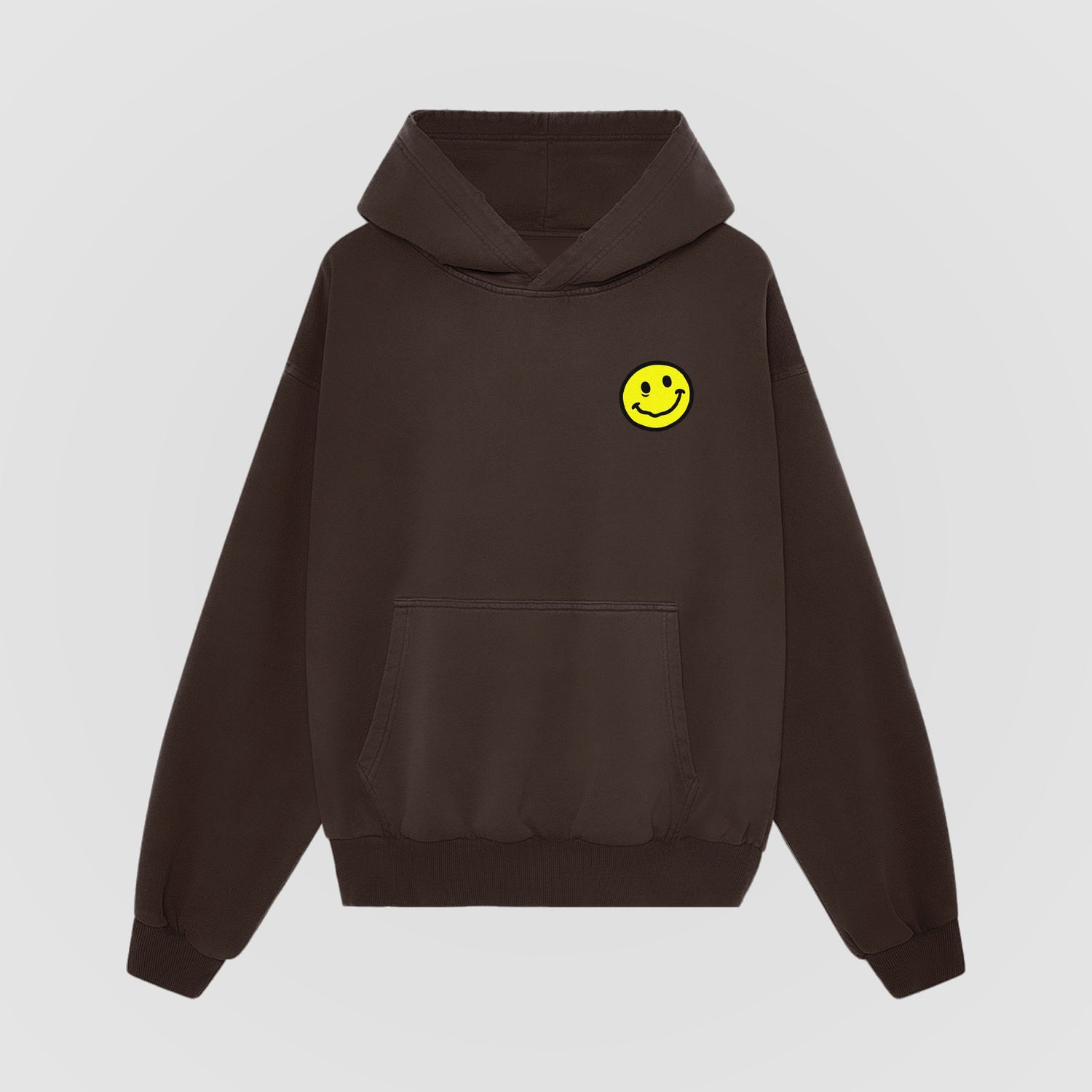
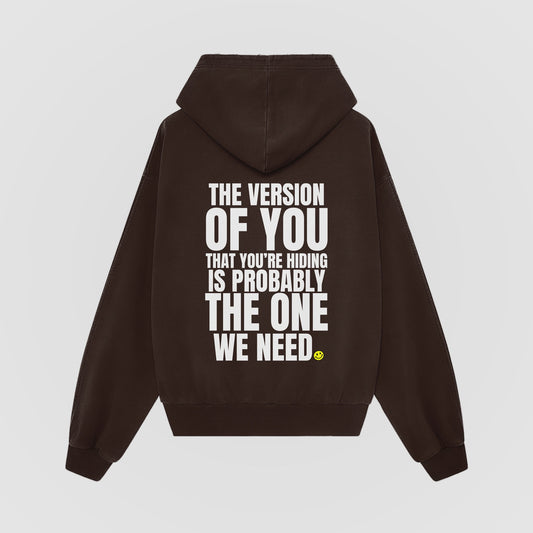
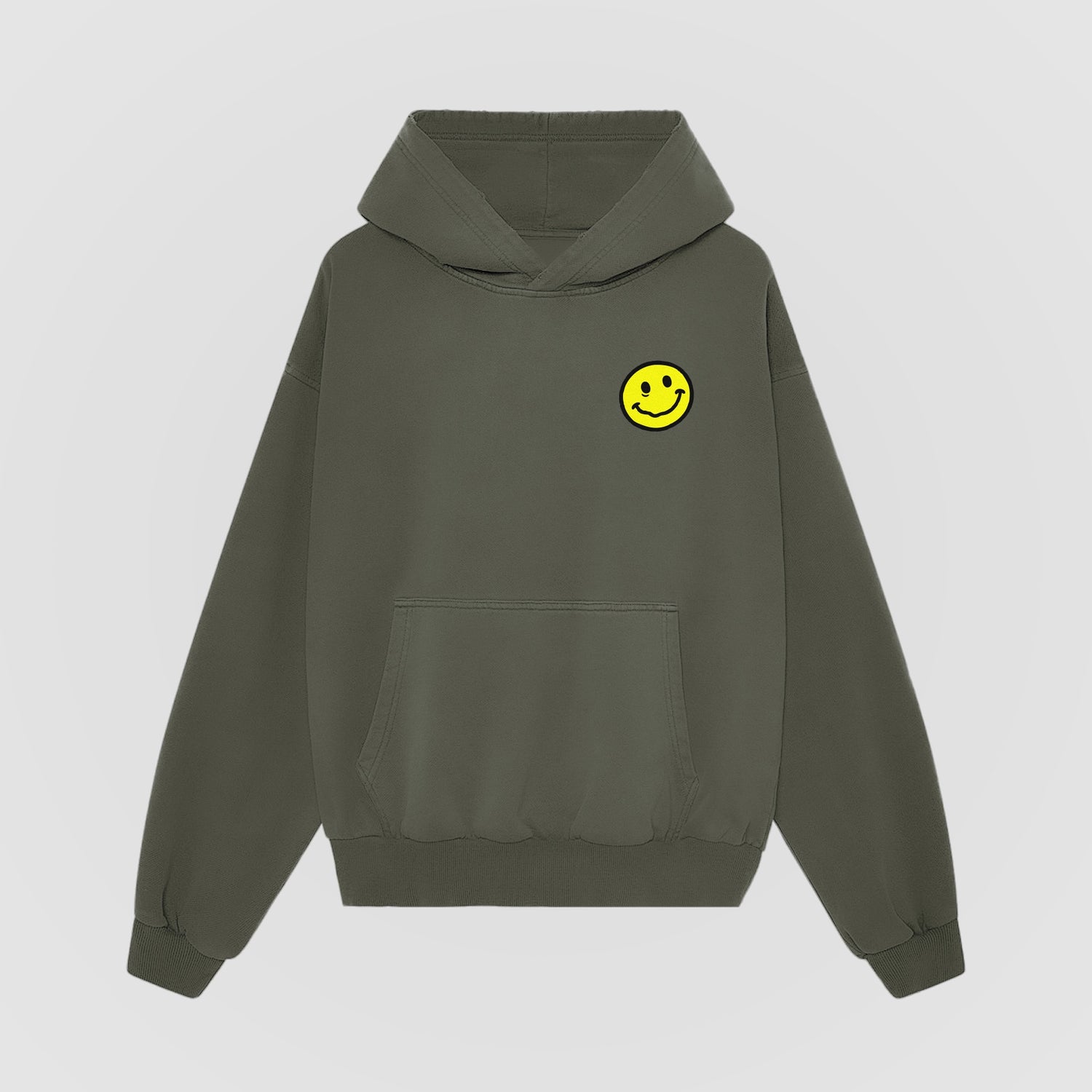


The Rise of Mental Health Streetwear: How Clothing Became Therapy
mental health streetwear didn't arrive with a press release. it arrived on corners, in classrooms, and in comment sections, one statement tee at a time. over the last several years, a quiet but undeniable shift has happened in the way people dress: the message on the shirt started to matter as much as the brand on the label.
this is the story of how streetwear stopped just looking cool and started saying something real.
from logos to language: the shift in streetwear culture
classic streetwear was built on exclusivity. limited drops, high resale value, brand recognition as social currency. a supreme box logo or an off-white quote wasn't really a message; it was a membership card. the point was to signal taste and access, not vulnerability.
something changed around the late 2010s, as conversations about mental health moved from clinical settings into everyday culture. gen z, the first generation to grow up fully online, normalized talking about anxiety, depression, and burnout in ways previous generations simply didn't. and as the conversation shifted, so did the clothes.
message-forward streetwear began carrying phrases that acknowledged what a lot of young people were actually feeling. not hustle-culture slogans, not ironic nihilism, but direct, human language: keep going. you deserve to be loved. choose your peace.
why mental health streetwear resonates with gen z
according to Grow Therapy's 2026 research, 94% of gen z report monthly mental health struggles. that's not a fringe group. that's essentially everyone.
when nearly your entire peer group is navigating anxiety or depression, wearing a piece that acknowledges that reality isn't niche, it's connective. mental health streetwear works because it:
- signals to others that it's safe to be honest
- externalizes an internal experience (putting it on the body makes it real and shared)
- turns passive awareness into active, daily advocacy
- builds community around shared struggle rather than shared status
- makes the wearer feel seen, even on the days they don't say a word
wearing the message is itself a form of advocacy. you don't have to explain yourself. the shirt does it for you.
the role of community in the movement
no fashion movement sustains itself on aesthetics alone. what gives mental health streetwear staying power is the community forming around it. when someone spots a stranger in a tee that reads keep going on a hard monday morning, there's a recognition. a small, wordless solidarity.
this is how clothing becomes more than fabric. it becomes a shared language for people who are tired of pretending they're fine. online, that community extends further. comment sections on mental health streetwear posts often look more like support forums than typical fashion feeds, people sharing what their piece means to them, when they bought it, what they were going through.
that kind of resonance doesn't happen with a logo hoodie. it happens when the message is specific enough to be felt.
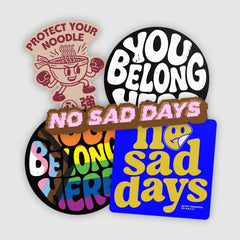
no sad days and the mental health streetwear collection
no sad days was built on exactly this idea. the brand exists because mental health conversations shouldn't be confined to therapy rooms or awareness months. they belong in everyday life, on the street, at the gym, in the grocery store.
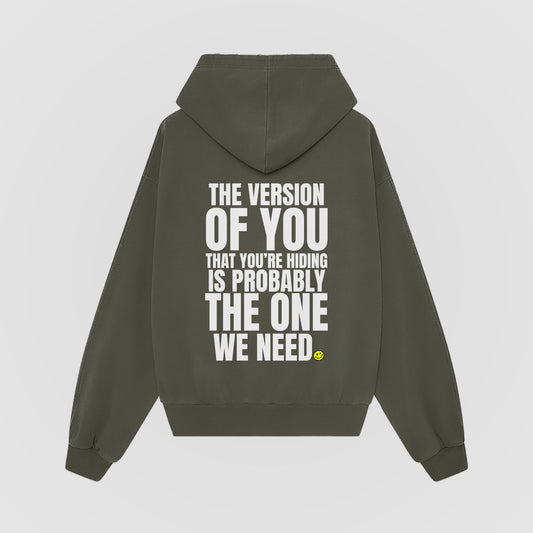
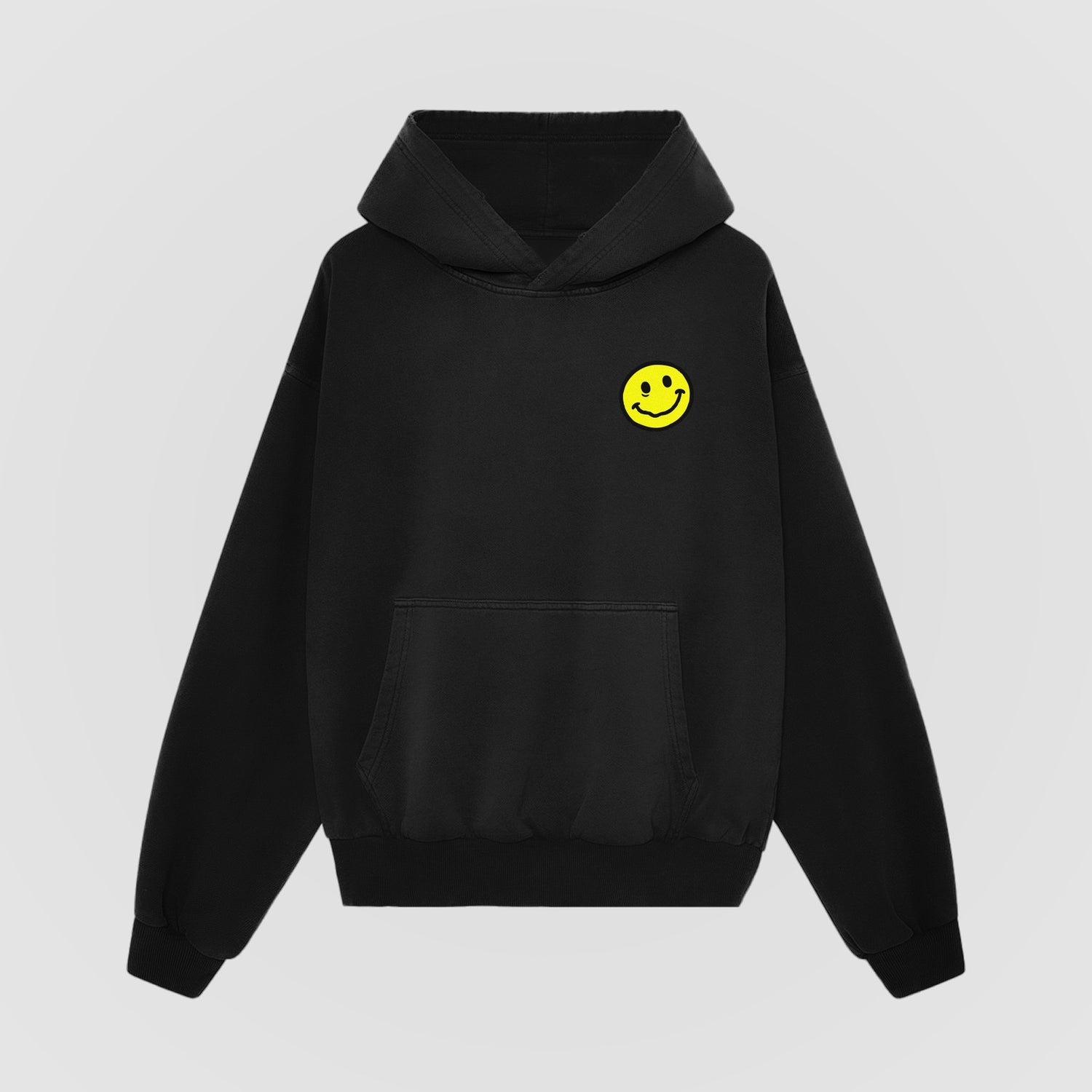
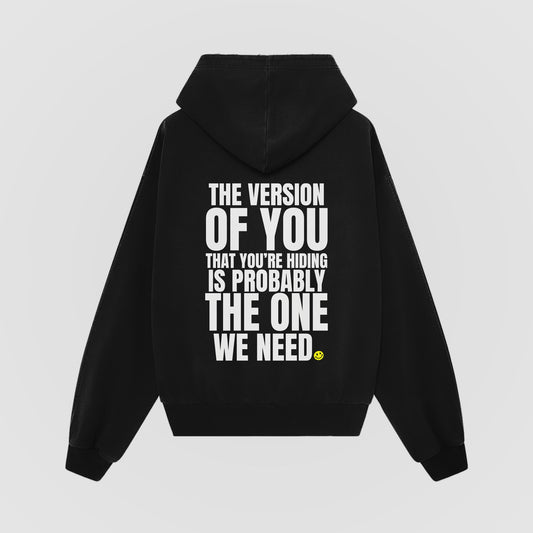
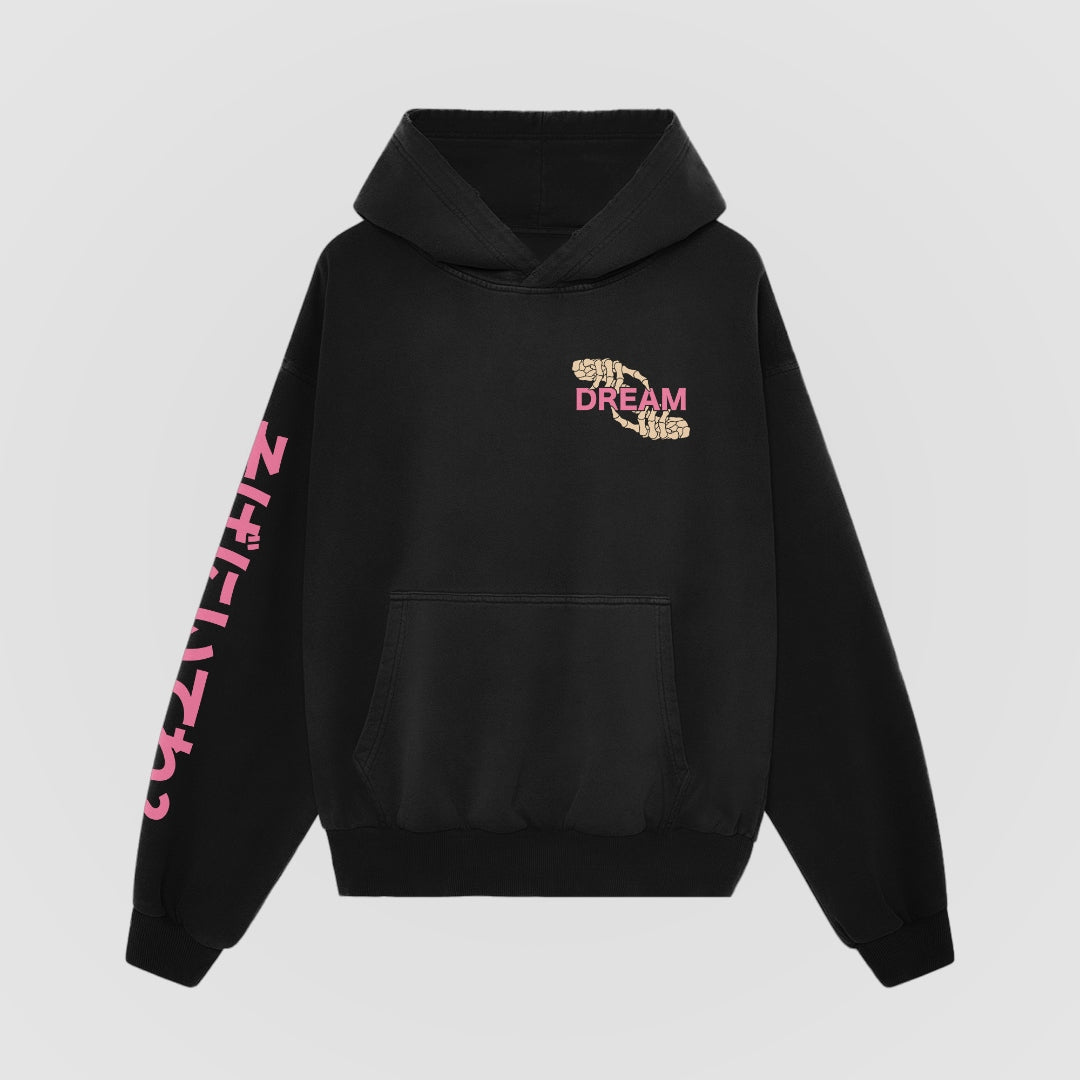
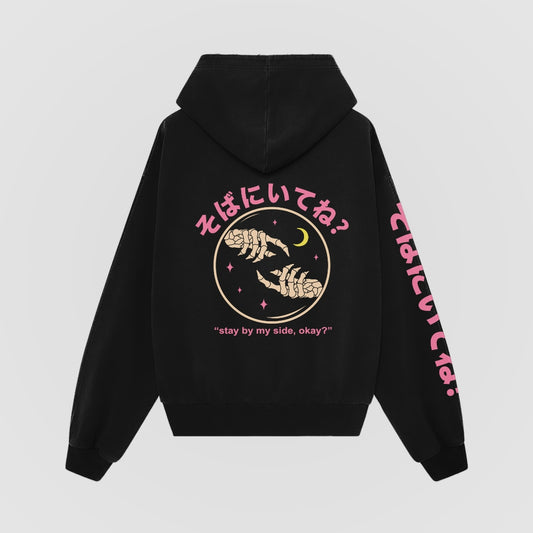
the mental health streetwear collection puts that philosophy into wearable form. each piece carries language that matters, designed to start conversations and create connection. the keep going purple tie-dye tee isn't just a pretty shirt. it's a reminder, wearable and shareable, for the days when keeping going is the whole victory.
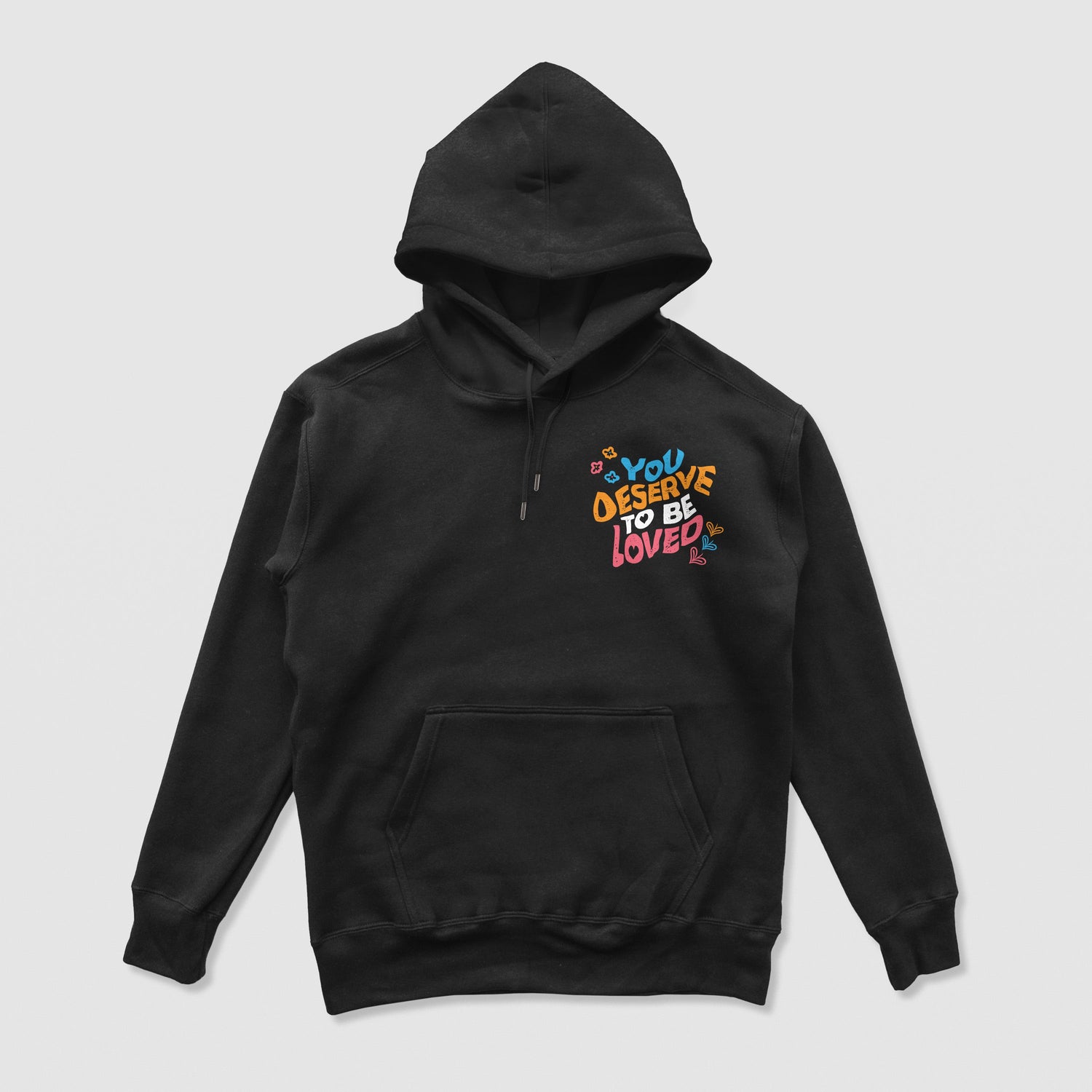
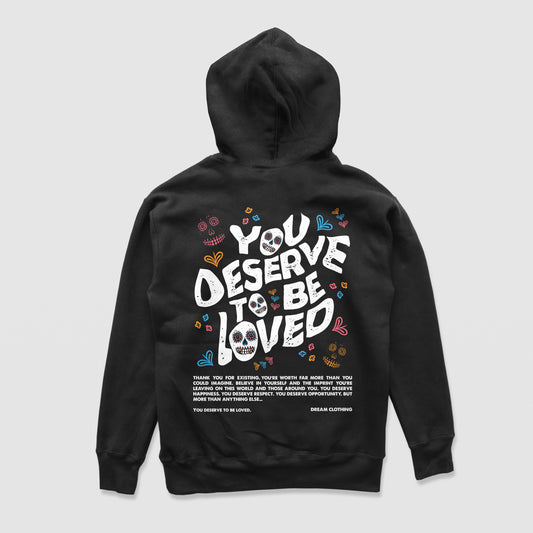
the you deserve to be loved pink tie-dye tee carries one of the most direct messages the brand offers, a phrase that sounds simple until you realize how many people walking around actually need to hear it.
wearing your values as an everyday act
mental health advocacy used to look like ribbon campaigns and awareness months. those things have value, but they exist at a distance from daily life. what mental health streetwear does differently is integrate the message into the ordinary. you put on a tee to go to class, to meet friends, to run errands. and in doing that, you carry the message with you.
the person who needs to see it might be standing behind you in line. they might not say anything. but they noticed. and maybe that's enough for one day.
a portion of every no sad days purchase goes toward mental health initiatives, so the advocacy isn't only symbolic. it's structural. explore the full best sellers or the mental health streetwear collection to find the piece that fits where you are today.
less sad days. better tomorrows. one sad day at a time.